Machining, Fabrication and Installation of Wear-Resistant Materials
Even a correctly selected material can fail prematurely if it is cut, formed, joined or stored incorrectly before being put into operation.
Cracks caused by thermal cutting, lining detachment at corners, permanent deformation caused by improper plate support, or cracking at the weld toe can all originate in the workshop but only become apparent after a period of operation.
For this reason, machining and installation are not simply downstream steps following material selection. They determine whether the material retains the properties for which it was originally selected.
This knowledge series follows the entire process from cutting, forming, joining and storage through to installation and restoration, helping identify the points that need to be controlled at each stage.
1. How machining and installation affect material service life
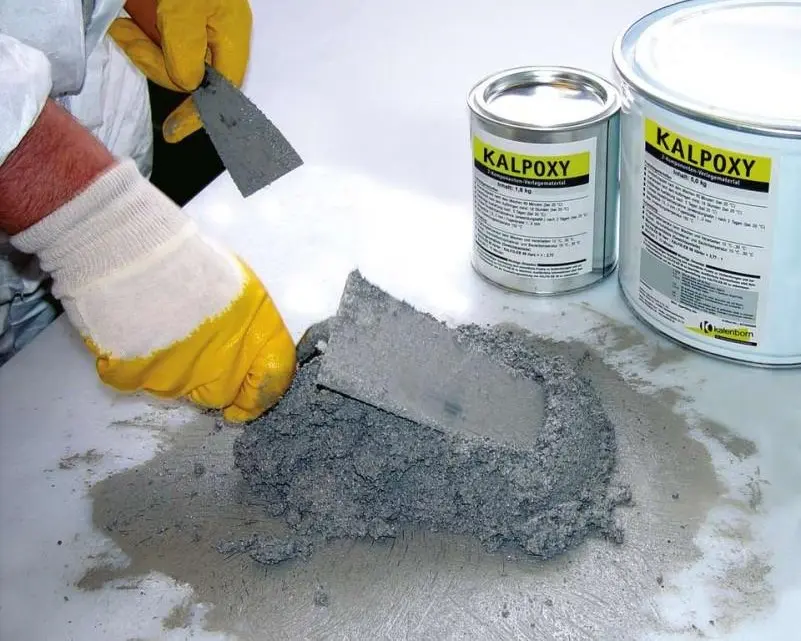
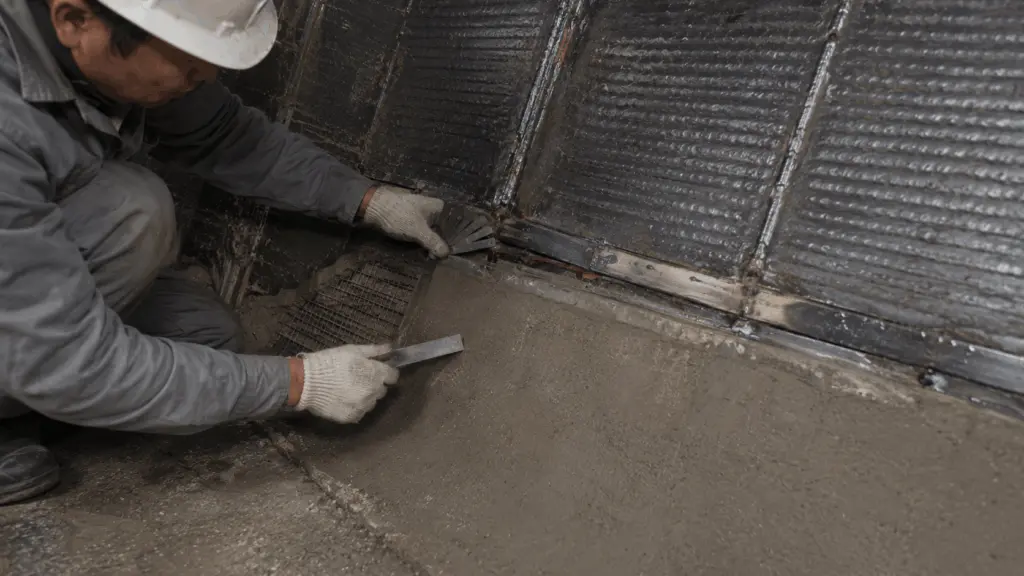
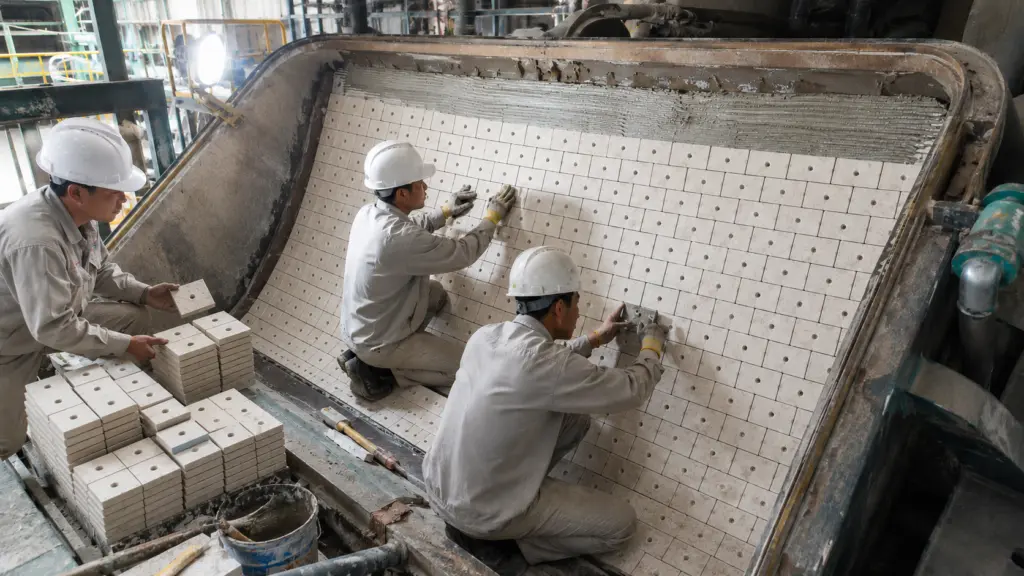
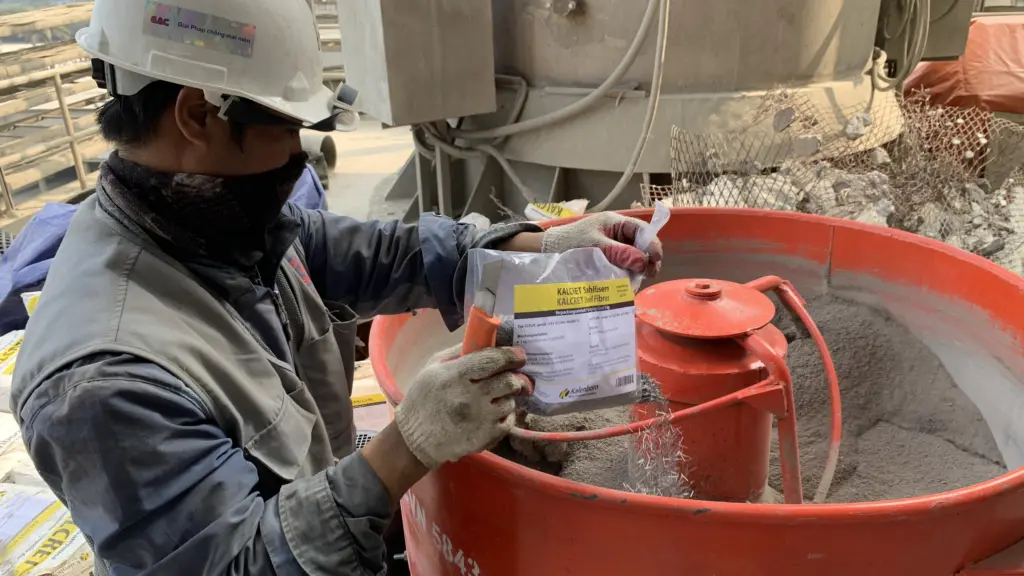
A ceramic lining tile detached after one operating cycle. The ceramic itself had not broken, the adhesive had not expired, and the correct material had been selected.
When the tile was removed, however, there was no adhesive at its four corners. The installer had applied sufficient adhesive in the center but left small unbonded areas at each corner, each only about the size of a fingertip. That was still enough for the lining to detach after several months.
The lining detached from the corners rather than from the center because the adhesive at the corners was subjected to peel stress instead of shear stress.
This case illustrates an important point:
Selecting the correct material does not automatically mean that the location will achieve the expected service life.
After material selection, every subsequent operation continues to affect the final result.
A common feature of these problems is that many deviations are not visible immediately during machining or installation. They may only become apparent after a period of operation.
A crack caused by thermal cutting without proper thermal control may appear later. A ceramic lining with insufficient adhesive at the corners may detach after one cycle. A plate subjected to three-point bending during storage may carry permanent deformation into service.
Once failure occurs, the original workshop-related cause may be difficult to trace.
This is why machining, fabrication, storage and installation should be considered as a connected sequence rather than as separate operations.
2. Four groups of work that directly affect the material before operation
There are four main groups of work that need to be controlled:
Among these, storage is the activity most easily separated from the technical process.
However, material can be affected even before machining begins. If a crack appears only later, the original cause related to supporting, lifting or storage may be difficult to trace if records are no longer available.
Therefore, instead of asking only:
“What material is being used?”
also ask:
“How was the material cut, formed, joined and stored before being installed on the equipment?”
3. Overview of the 9 parts in this knowledge series
After identifying the four main groups of work, cutting, forming, joining and storage, you can explore each stage in greater depth through the nine articles in the Machining, Fabrication and Installation of Wear-Resistant Materials knowledge series.
The first eight parts focus on individual technical work groups. Part 9 concludes the series by summarizing the appropriate approaches for different actual situations, helping identify where to begin, which topics to prioritize and when the process should be reviewed again.
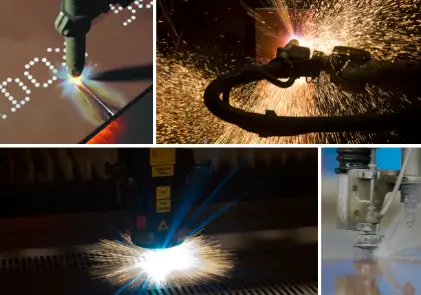
Part 1: Cutting and forming
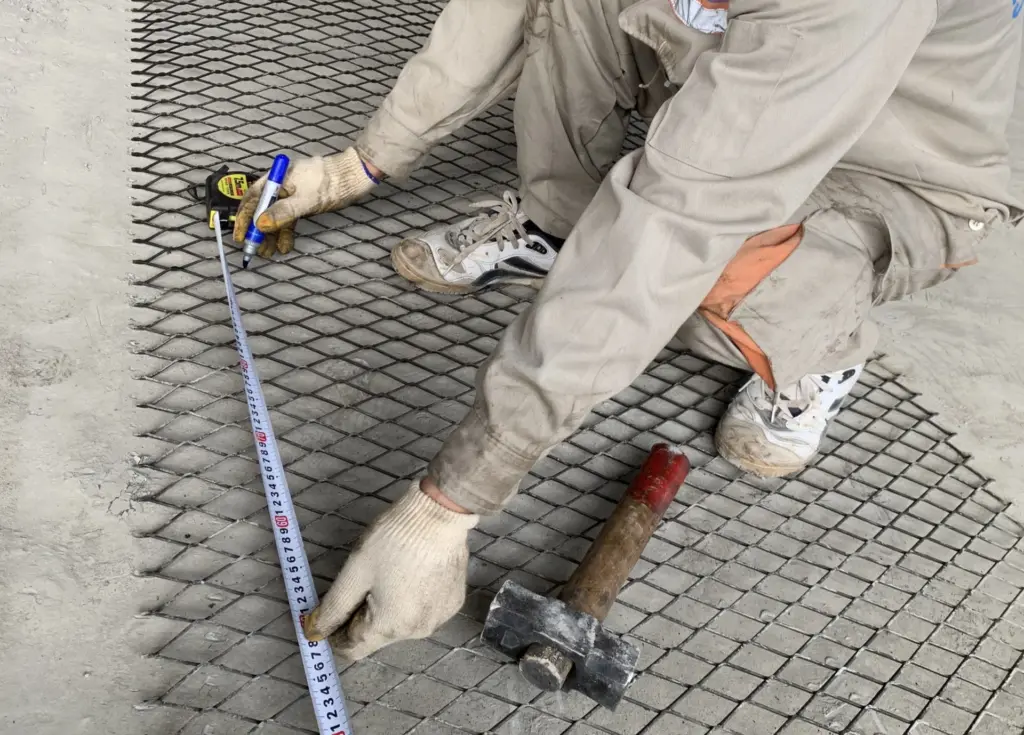
The way a material is cut determines the edge condition left for subsequent operations.
This article covers:
- cutting methods
- edge condition after cutting
- burrs
- bending radius
- rolling direction
- mechanical shearing and punching
- sequence between cutting and forming
Specific requirements must still be determined according to the exact material, thickness and applicable technical documentation.
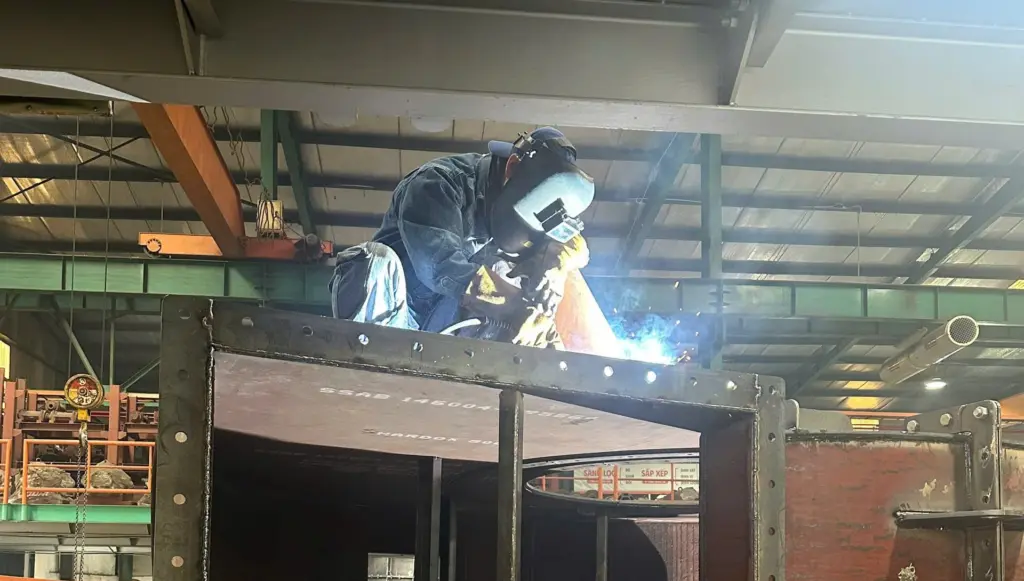
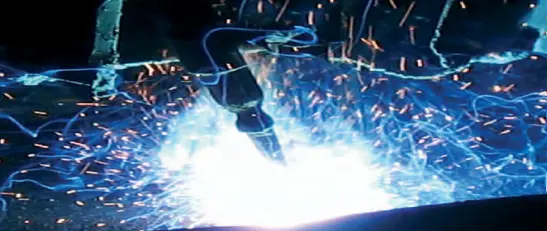
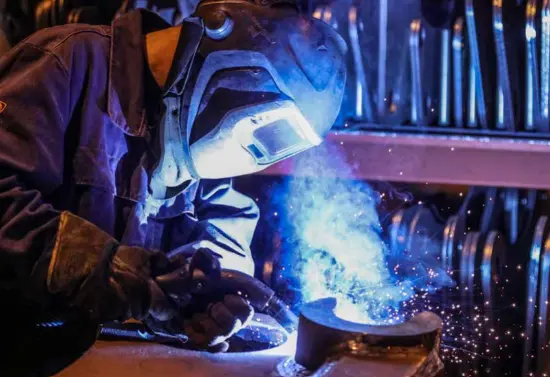
Part 2: Welding high-hardness steel
A visually good weld is not enough to conclude that the entire joint meets the requirements.
This article focuses on:
- heat-affected zone (HAZ)
- preheating
- interpass temperature
- welding consumables
- welding procedure conditions
- evidence that should be retained for root-cause assessment if cracking occurs
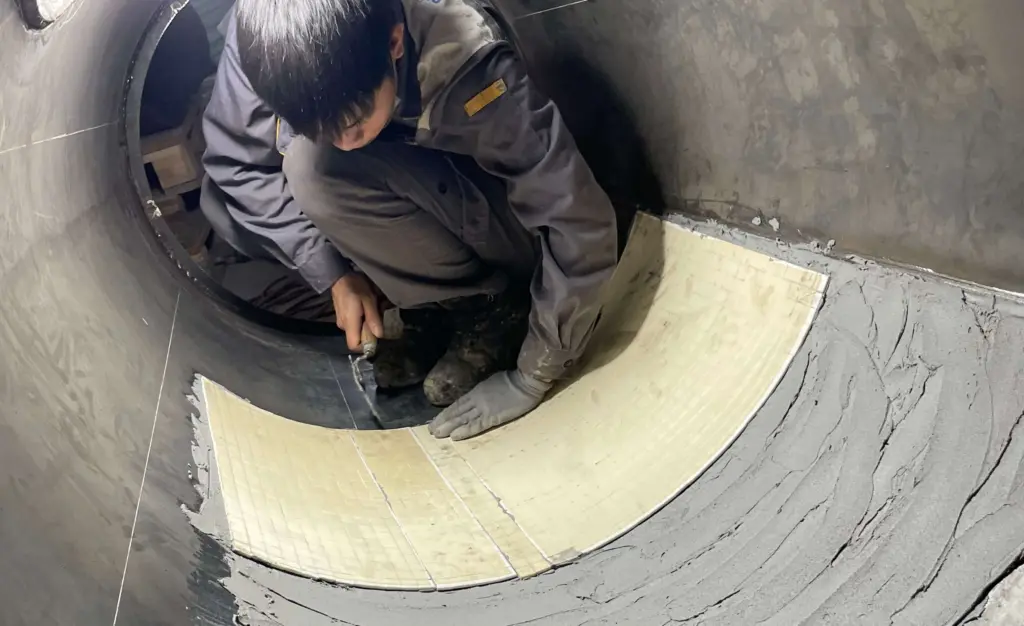
Part 3: Fixing non-metallic linings
Selecting the correct lining material is not enough if the fixing method is unsuitable.
The main methods include:
- monolithic casting, trowelling or spraying
- rear-side weld studs
- adhesive bonding
- welded steel rings
Each method has different application conditions, control points and possible deviations. Specific parameters must still be checked against the correct technical data sheet for the material being installed.
Part 4: Installing anti-adhesion linings
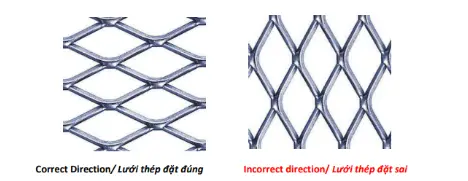
When installing an anti-adhesion lining, the surface needs to remain smooth and continuous, without raised edges or uneven steps that obstruct material flow.
This article covers:
- overlap direction
- intersection locations
- points where material build-up may begin
- how the surface should be arranged according to the direction of material flow
Part 5: Installation at the interface between two material groups
When two material groups meet on the same component, the issue no longer concerns each material independently.
Key points include:
- which material group should be installed first
- how the gap at the interface should be handled
- waiting time between the two installation stages
There is no single rule that applies to every material combination. Each new interface still needs to be evaluated according to the actual conditions.
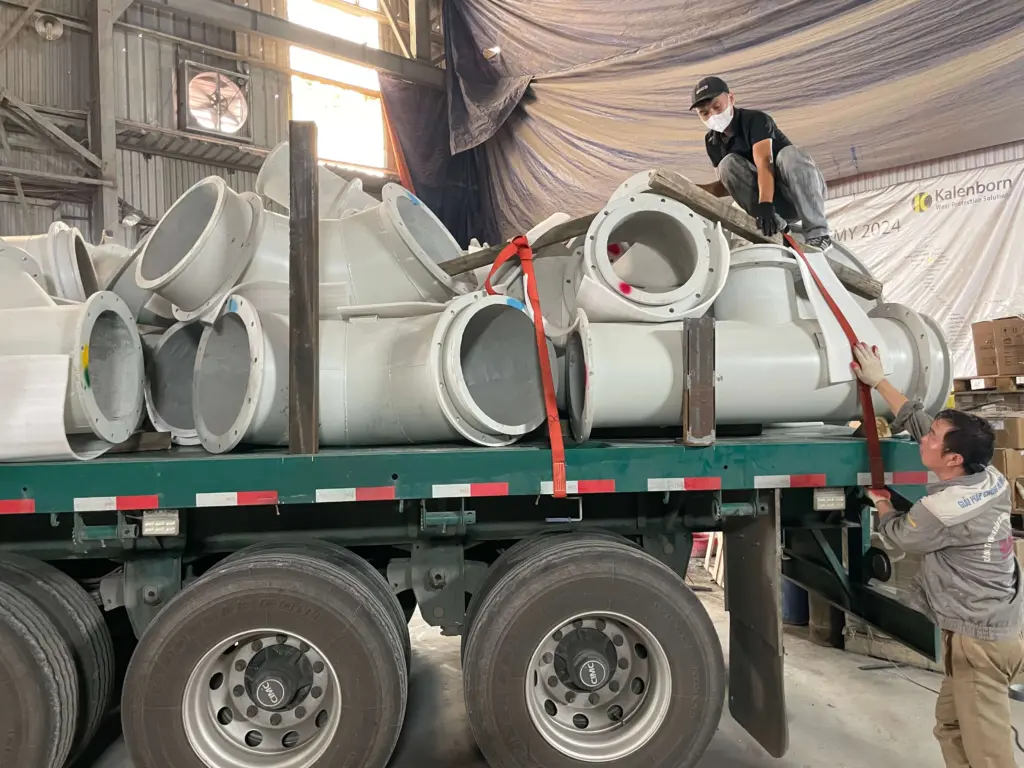
Part 6: Handling, storage and preservation
Material can be affected before machining even begins.
Part 6 covers:
- lifting methods
- supporting methods
- plate condition during storage
- material temperature before machining
- surface condition before moving to the next stage
This content places storage back in its proper position within the technical process rather than treating it only as a logistics activity.
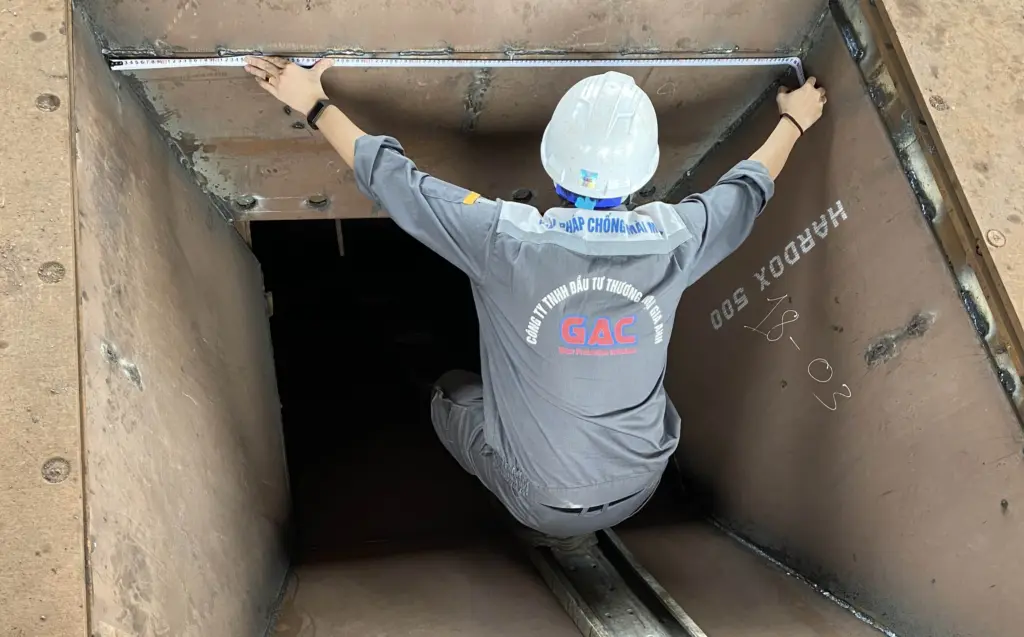
Part 7: Joint design and installation during downtime
Joint design needs to be considered together with flow direction, gaps and installation sequence.
Part 7 focuses on how installation work should be organized during downtime.
Topics include:
- joint design
- installation sequence
- work milestones
- mandatory waiting times
- work organization during downtime
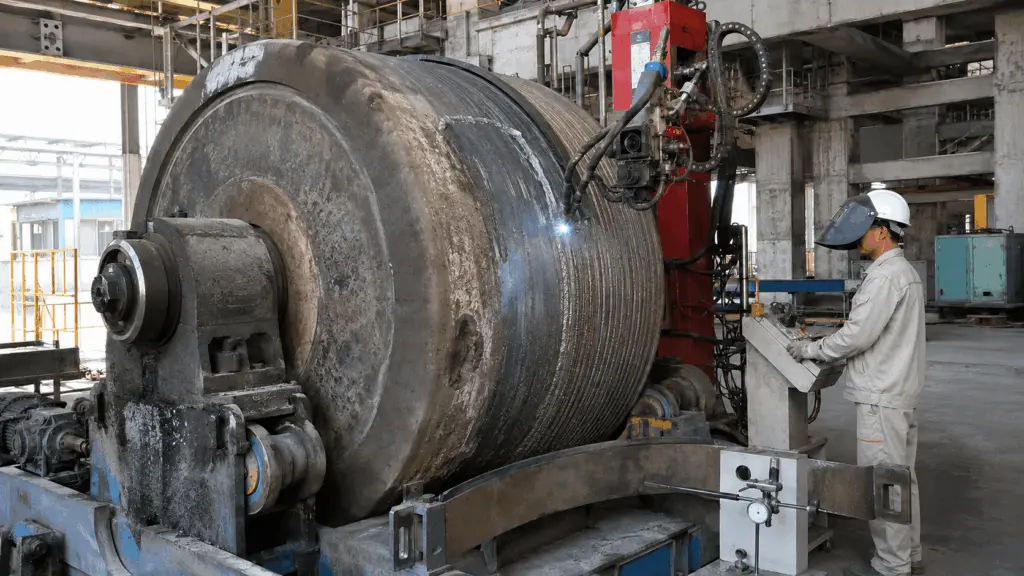
Part 8: Component restoration by hardfacing
Not every worn component needs to be replaced.
This article focuses on:
- build-up layers used to restore dimensions
- wear-resistant layers
- hardfacing consumables
- component condition before restoration
- profile after restoration
For components with a functional profile, the restored geometry still needs to be controlled even if the hardfacing layer reaches the required hardness.
Part 9: Selecting the appropriate approach for actual situations
Unlike the previous eight technical parts, Part 9 does not introduce an additional procedure or new parameter.
Instead, it serves as a guide that helps quickly narrow down the problem when a field issue occurs or when a new work scope is received, directing the reader to the relevant technical section.
In addition to addressing specific situations, this part also helps:
- identify the content that should be prioritized according to the work position being handled
- recognize when the entire process needs to be reviewed rather than only correcting a local issue
- distinguish cases that can be handled using available data from those that require additional field data
4. How to use this knowledge series
You do not need to read all nine articles in only one sequence.
There are two ways to use the series depending on your objective.
4.1. When you want to understand the entire process
If you are building knowledge from the beginning, you can read the series in this order:
Cutting and forming → Welding → Lining fixing → Anti-adhesion lining → Material interface → Storage → Joint design and installation → Restoration
This sequence helps show how one stage can affect the next.
4.2. When you are dealing with a specific problem
If the issue has already occurred at the plant, you do not need to begin with Part 1.
Go directly to the article related to the problem.
This approach is suitable when the knowledge series is used as a problem-based reference rather than being read sequentially from beginning to end.
5. Deviations that should be identified early
Many deviations during machining, installation and storage do not cause immediate failure at the time the work is performed.
The table below helps quickly identify which stage the problem may relate to and which article should be reviewed in more detail.
If the situation does not clearly fall into any of these groups, begin with Part 9: Selecting the appropriate approach for actual situations.
6. Application principles and cases where specific data are required before making a decision
This knowledge series helps identify the problem, understand the points that need to be controlled and navigate to the appropriate in-depth article.
However, when applying the information to a specific material, component or location, several general principles should be maintained, and cases requiring actual data before a decision is made should be clearly identified.
6.1. Refer to the correct documentation before using parameters
Each parameter needs to be determined according to:
- the correct material grade
- thickness
- process being used
- applicable technical documentation
- document revision
The preheating requirement must be checked according to the exact grade and thickness range of the material being welded.
Welding conditions need to be determined according to the specified procedure and welding consumables.
The bending radius needs to be determined according to the exact grade, thickness and rolling direction of the plate.
A parameter used for a previous batch remains valid only if the current batch still falls within the same applicable scope.
6.2. Evaluate based on condition, process and records
External appearance reflects only part of the condition of a component at the time of observation.
Some problems may appear only after the material moves to the next stage, during storage or after the equipment returns to operation.
The assessment should therefore combine:
- observed condition
- parameters used
- process followed
- inspection results from each stage
- material traceability data
6.3. Maintain documentation and traceability
Each machined component should retain a clear link to the incoming material and the work performed on it.
Depending on the stage, records may include:
- material identification number
- parameters used
- inspection records
- photographs of locations requiring inspection
- execution time and mandatory waiting milestones
- person performing the work and person confirming the result
The objective is to ensure that, if a problem occurs, it is possible to trace which material was used, what work was performed and under what actual conditions.
6.4. Cases where specific data are required before making a decision
Some decisions cannot be made based only on general principles. They require data from the specific material, component or field location being evaluated.
Interface between two material groups
When two material groups meet on the same component, the following need to be determined for the actual combination:
- installation sequence
- interface gap
- waiting time
- technical requirements of each material group
Data from a previously used combination are only directly relevant to that same combination and corresponding operating conditions.
Scheduling during downtime
The installation schedule needs to be determined based on:
- work area
- access route
- ventilation
- number of people who can work simultaneously
- equipment conditions
- scope of work
- material waiting times
These field data form the basis for determining the total duration and how the work should be organized.
Deciding between restoration and replacement
The decision should be based on:
- actual condition of the component
- amount of remaining base material
- number of previous restorations
- ability to restore the required profile
- lead time for a replacement component
- plant operating requirements
These factors need to be considered together before deciding between restoration and replacement.
7. References
This knowledge series uses three groups of reference sources:
- technical standards
- manufacturer technical documentation
- Gia Anh’s practical experience
These three groups serve different purposes.
Standards are used for requirements and principles within the specific scope referenced.
Manufacturer technical documentation is used for content that depends on the material and specific parameters.
Gia Anh’s experience is used for field situations and practical work organization.
7.1. Referenced standards
These standards are referenced for their respective topics.
The explanations in this knowledge series do not replace the full content of the standards.
7.2. Manufacturer technical documentation
Manufacturer documentation is particularly important for content that varies according to:
- material grade
- thickness
- material group
- fabrication method
- document revision
When an article requires a parameter to be checked against a specific grade, this is the documentation group that should be consulted next.
7.3. Content based on Gia Anh’s experience
Some content in this knowledge series is based on Gia Anh’s practical experience, including:
- failures observed in the field
- the order of occurrence of certain fixing methods in project records
- how work is organized at material interfaces
- selected workshop inspection practices
This content helps identify situations and organize practical work.
It is not presented as an industry standard and does not replace standards or manufacturer technical documentation where those documents specify particular requirements.
Correct machining and fabrication help materials retain the properties for which they were originally selected.
In summary, to support equipment service life, pre-operation checks should not stop at confirming the material type. Each stage needs to be reviewed carefully, including cutting, forming, joining, storage and installation.