Wear protection & Anti-adhesion for steel plants
Ensure continuous operation
Minimize unplanned downtime
Combined lining solutions integrating specialized sintered steel and monolithic hard compounds resistant to temperatures up to 1,200°C
Identify the right problem, choose the right solution
Failures in material handling systems, coke screens, or blast furnace charging hoppers rarely result from a single factor. Materials, wear mechanisms, and operating conditions must be evaluated together

INCORRECT APPROACHES
- Selecting materials based solely on steel grade: The same steel grade can have different mechanical properties and heat-treatment conditions. If impact toughness is unsuitable, microcracks may develop during cold bending, leading to rapid deterioration in service
- Using one material for every application: Ceramics offer high hardness but are unsuitable for areas exposed to both severe wear and heavy impact. Large ore lumps can cause cracking, while wet material flow and erosion can damage the adhesive layer and lead to delamination
- Separating material supply, fabrication, and installation: Multiple contractors make quality control and accountability more complicated when failures occur

SOLUTION SELECTION PRINCIPLES
- Evaluate mechanical properties and actual operating conditions: Hardness, impact toughness, yield strength, and delivery condition must be matched to each operating position
- Apply the "Combined Linings" principle: Use Hardox 500 TUF in heavy-impact zones; Kalcret BTX/BTY in areas exposed to pneumatic, dust, or hydraulic erosion; and mechanically fixed sintered ceramics in high-temperature, extremely abrasive environments
- Implement a single-source turnkey approach: Survey, material selection, fabrication, and installation are managed throughout the entire process, with one provider responsible for the service life of the system
Application-specific solutions for each location
Based on hundreds of field surveys and actual projects implemented by Gia Anh at steel plants across Vietnam

Sinter / Pellet sinter-crusher chutes
Super-heated sinter ores (ranging from 400°C to 600°C) characterized by high hardness (~400 HBW) and large lump sizes fall directly onto the chute of the single-roll crusher. Conventional cast steel plates (like ZG40CrNiMo) lose their mechanical properties above 400°C, wearing out rapidly.
Solution: Implement Kalmetall W145 overlay plates, manufactured via advanced Metal-Arc powder cladding, which maintain high hardness and structural integrity at operating temperatures up to 750°C.

Coke screening plates
Hard, sharp dry-quenched coke lumps fall from a height of 5 meters onto screen decks, causing heavy vibration and shattering standard wear plates within 6 months.
Solution: Replace with Kalmetall W100 overlay plates (10+10mm thickness) for direct sliding paths, combined with Hardox 500 TUF (15-20mm) to fabricate protective caps for the fastening bolts against structural impact.

Blast furnace slag runners & slag launders
Slag slurry at 70-80°C mixed with high-velocity cooling water is discharged into settling basins. The abrasive particles (~7 Mohs) combined with sulfur-induced chemical corrosion quickly eat away epoxy glue joints, peeling off ceramic lining tiles.
Solution: Eliminate joints entirely by casting/trowelling a 25-30mm layer of Kalcret BTX/BTY compound (hardness >8 Mohs, compressive strength 130 MPa, fully chemically inert), multiplying the service life by 2 to 3 times.

Blast furnace charging system
Skip cars carrying coke, sinter, and limestone undergo continuous dumping impact. Flaps and receiving chutes suffer from chronic structural deformation and steel plate tearing every 4 to 6 months.
Solution: Line skip car floors and flap gates with Kalocer high-alumina ceramic tiles (13-25mm) bonded with Kalfix epoxy and secured with mechanical weld-on steel pins, securing a minimum service life of 18 months.
From on-site survey to fabrication, installation, and performance warranty
A European-standard workflow designed to minimize risk and maintain control throughout the entire project execution process

On-site survey
GAC engineers visit the plant to measure precise dimensions, take raw ore samples to test hardness and moisture, record operating temperatures, and calculate impact angles

Material customization & 3D engineering
In consultation with SSAB (Sweden) and Kalenborn (Germany) technical centers, we select the optimum material pairing. We generate 3D CAD drawings of CNC-cut plates or pre-fabricated pipe bends

Precision fabricatio
Curing, bending, drilling, and cutting special steels (Hardox, Perform, Kalmetall) are executed at our 3,000-ton stock-backed Hưng Yên workshop without compromising the steel's original microstructural properties
Certified installation
Highly skilled GAC crews perform on-site dán gốm (ceramic bonding) with Kalfix epoxy or apply Kalcret monolithic linings with steel mesh reinforcement under the strict quality control of factory-trained supervisors
Commissioning & performance warranty
Surface curing using Kalcure chemicals, handover of original CO/CQ certificates, and issuance of a written warranty ranging from 12 months (high-impact chutes) up to 36 months (slag pipes)
Plants successfully using Gia Anh's solutions
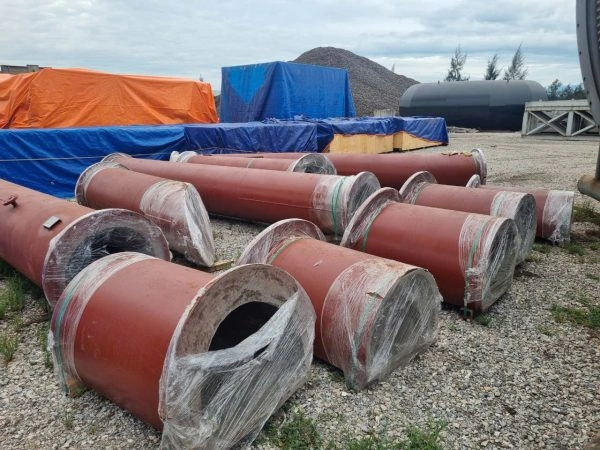
Slag discharge pipeline system – Ironmaking Plant – Hoa Phat Dung Quat integrated steel complex
On September 20, 2024, Gia Anh Investment Trading Co., Ltd. (GAC) delivered a batch of steel pipes lined with KALCRET hard compound for the slag discharge pipeline at the Ironmaking...
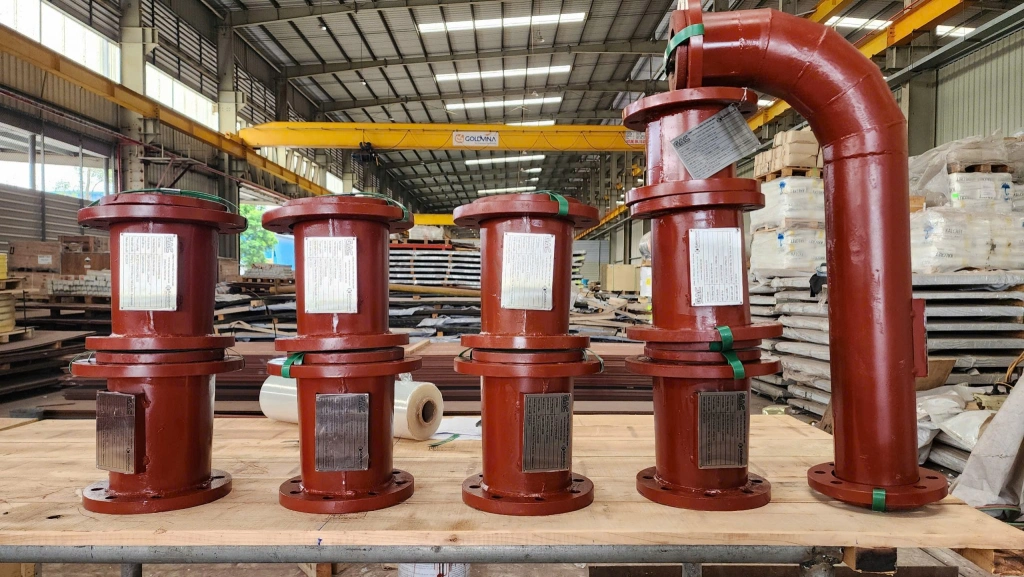
Ore slurry pipeline system project – Raw material plant – Hoa Phat Dung Quat integrated steel complex
On September 20, 2024, Gia Anh Investment Trading Co., Ltd. (GAC) delivered 74 steel pipes lined with KALCRET hard compound to the Raw Material Plant at the Hoa Phat Dung...
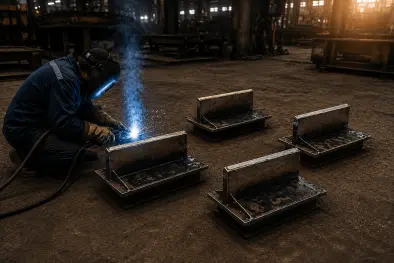
Slag sorting hopper liner project – Iron smelting plant – Hoa Phat Dung Quat steel complex
On April 11, 2024, Gia Anh Investment Trading Co., Ltd. (GAC) delivered 169 bimetallic steel liner plates for the slag chute system at Hoa Phat Dung Quat Steel Complex. The...
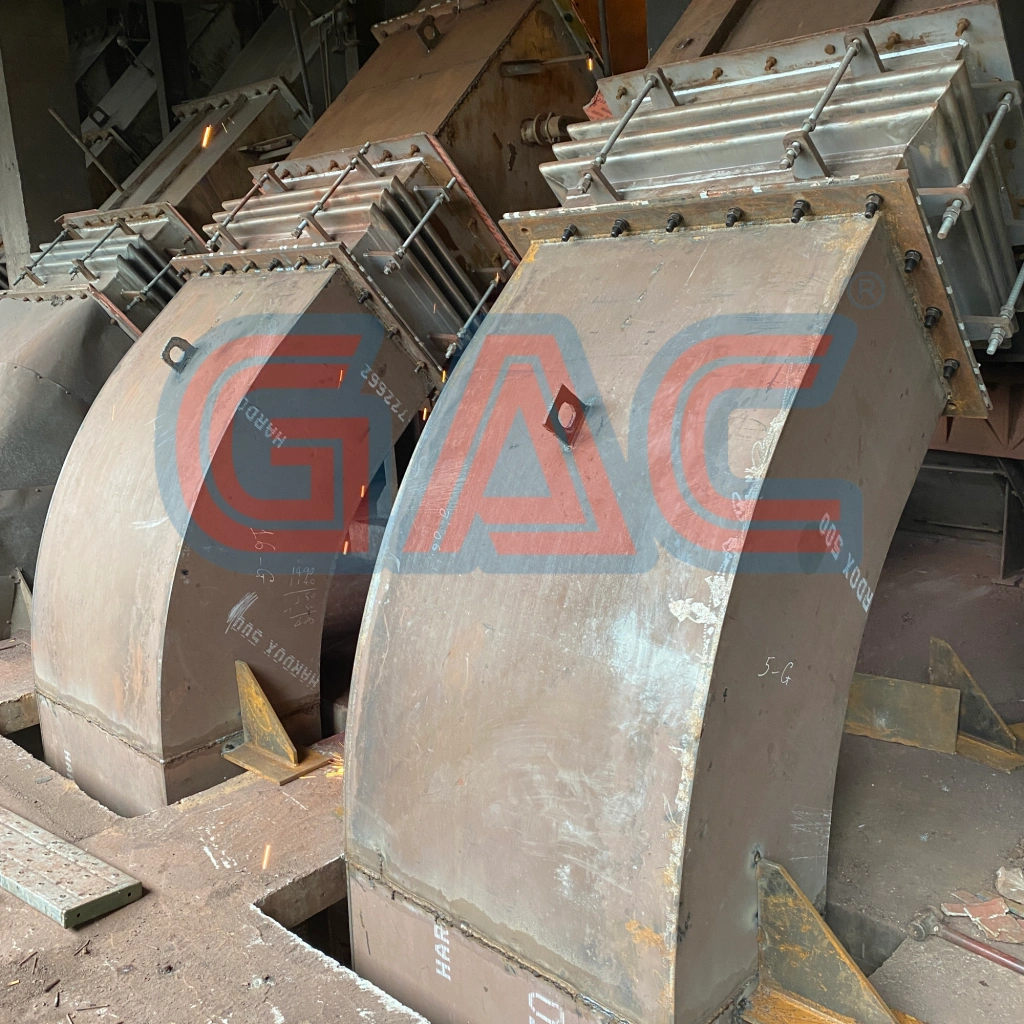
Fabrication and installation project for wear protection of the sinter wind box – Hoa Phat steel plant
In April 2023, Gia Anh Investment Trading Co., Ltd. carried out a fabrication and installation project for the wear protection of Sinter Wind Box I at Hoa Phat Steel Plant....
Official Authorized Partner of the World’s Leading Brands


Products and services

Specialized wear-resistant, impact-resistant, and high-temperature materials
Genuine Swedish Hardox Wear Plate: Full range of Hardox 450, 500, and 500 TUF for extreme impact; Hardox HiAce for corrosive acidic environments; and Hardox HiTemp for elevated operating temperatures.
Kalmetall Chromium Carbide Alloy Clad Plates (Germany): Premium bimetallic plates manufactured via Kalenborn's proprietary Metal-Arc powder cladding process, achieving uniform carbide hardness (HV 700 - HV 800) throughout the overlay thickness down to the steel backing plate.
Non-Metallic Wear & Anti-Sticking Materials: Kalocer high-alumina ceramic tiles (1.5mm - 12mm thickness) resisting up to 1,000°C; Kalcor fused silica-zirconia corundum tiles for severe thermal shocks; Abresist Fused Cast Basalt (8 Mohs hardness) for sliding wear; and Tivar 88-2 UHMW-PE sheets (dynamic friction coefficient of 0.08) to eliminate hopper blockages.
Castable Wear Compounds & Repair Epoxies: Kalcret cement-bonded silicon carbide compounds resisting up to 1,200°C; and Kalpoxy 150 two-component wear-resistant epoxy coatings for emergency patch repairs.

On-site wear diagnostics & engineering services
GAC engineers, in collaboration with SSAB and Kalenborn technical experts, perform on-site measurements of all operating variables: temperature fluctuations, bulk particle size distributions, drop heights, impact angles, and chemical corrosion profiles of raw materials.
Application of high-precision 3D Laser Scanning to map wear patterns, structural wall thinning of pipe elbows, and material chute erosion to design customized combined lining layouts.

Precision mechanical fabrication at Hung Yen workshop
Operating a heavy-fabrication facility in My Hao, Hung Yen with over 3,000 tons of stock-backed raw materials, equipped with heavy-duty press brakes, rolling machines, and custom welding manipulators.
Utilizing CNC Underwater Plasma Arc Cutting and Ultra-High-Pressure Water-Jet Cutting to shape advanced steels (Hardox, Kalmetall, Perform 700) without inducing thermal microstructural alteration or softening the material's edge properties.
Certified field installation & monolithic execution
Applying dual-fixation lining techniques: high-bond Kalfix E20 epoxy combined with mechanical weld-on steel cups and protective ceramic plugs to secure Kalocer tiles on high-vibration chutes and screens.
Installing anchoring expanded steel mesh (5mm clearance from backing plate) and welding distance pins at 250-300mm intervals to cast, trowel, or pneumatic-spray jointless Kalcret BTX/BTY monolithic linings (25-30mm thickness) on slag runners and discharge launders.
Executing surface moisture-retention curing using Kalcure specialized spray-on compounds to ensure uniform hydration and eliminate shrinkage micro-cracks.
Key Clients


Frequently Asked Questions
These two steel categories are designed for completely different purposes.
- Wear-resistant steel is used in areas exposed to abrasion, impact, or erosive material flow to maximize equipment service life.
- High-strength structural steel is selected when high load-bearing capacity and reduced structural weight are required, such as for truck bodies, silos, conveyors, and load-bearing structures.
The selection should be based on the actual operating conditions of each component rather than the steel grade alone. In many applications, combining both types of steel within the same system provides the best technical performance and economic value.
Wear-resistant steel is designed to resist material loss caused by abrasion and impact, whereas high-strength structural steel, such as PERFORM, is engineered to carry higher loads while reducing structural weight.
Multiple materials should be combined whenever different areas of the equipment are exposed to different wear mechanisms. Each location should be protected with the material best suited to its actual operating conditions.
Bi-metal wear plate is recommended when a uniform alloy layer thickness and consistent hardness are required. Compared with on-site hardfacing, it provides more stable service life while reducing maintenance time.
The diagnosis process consists of five steps: on-site inspection, operating data collection, wear mechanism analysis, root cause identification, and material solution recommendation.
Request for solution consultation
Gia Anh's expert will contact you within 24 hours to analyze the problem and provide a suitable solution.