Part 7: Next roadmap in on-stte wear surveying
After determining what needs to be measured, how to organize a survey, how to establish a baseline, and how to use measurements to compare solutions, the next step depends on the actual condition of the location and the data currently available at the plant.
Not every case needs to begin with a full survey. At some locations, it may only be necessary to retain the measurement points before replacing the material. In other cases, the required information may already be available in the operating log. For material-flow blockage problems, direct observation while the equipment is operating may be an indispensable step.
1. Before the first survey visit, access conditions need to be confirmed
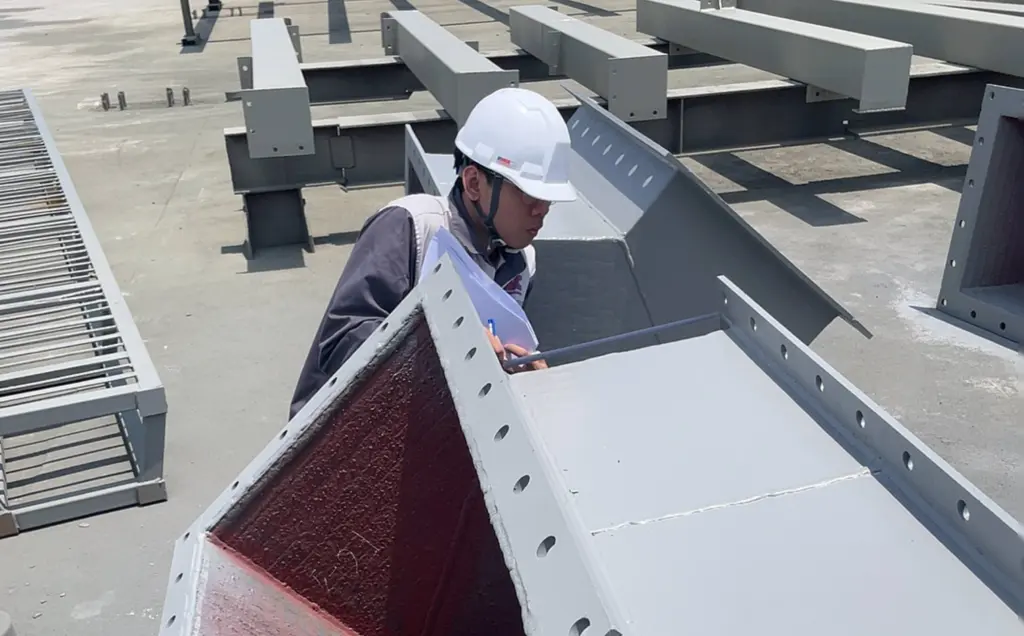
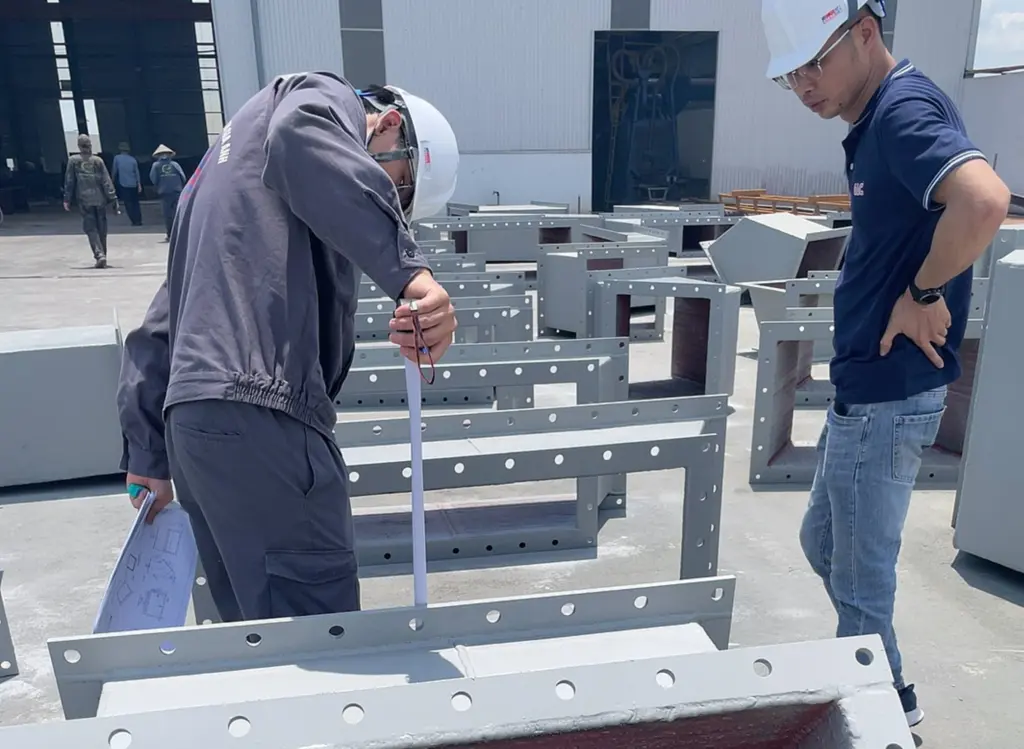
An important part of the survey is carried out before arriving at the plant. If the equipment condition, responsible personnel, or access conditions are unclear, the engineer may reach the site but still be unable to obtain the required data.
Advance confirmation is particularly important because access to the equipment depends on operating status, shutdown schedules, and the safety regulations of each plant.
If the team arrives when the equipment cannot be accessed or no person familiar with the operating history is available to accompany them, much of the required information cannot be added during the survey.
2. Before replacing the material, retain data that cannot be recovered later
When the plant is preparing to replace the material at a location, data on the existing material need to be recorded before removal.
Four activities need to be prioritized:
Among these data, the baseline of the existing material cannot be fully recreated after the material has been removed from the equipment.
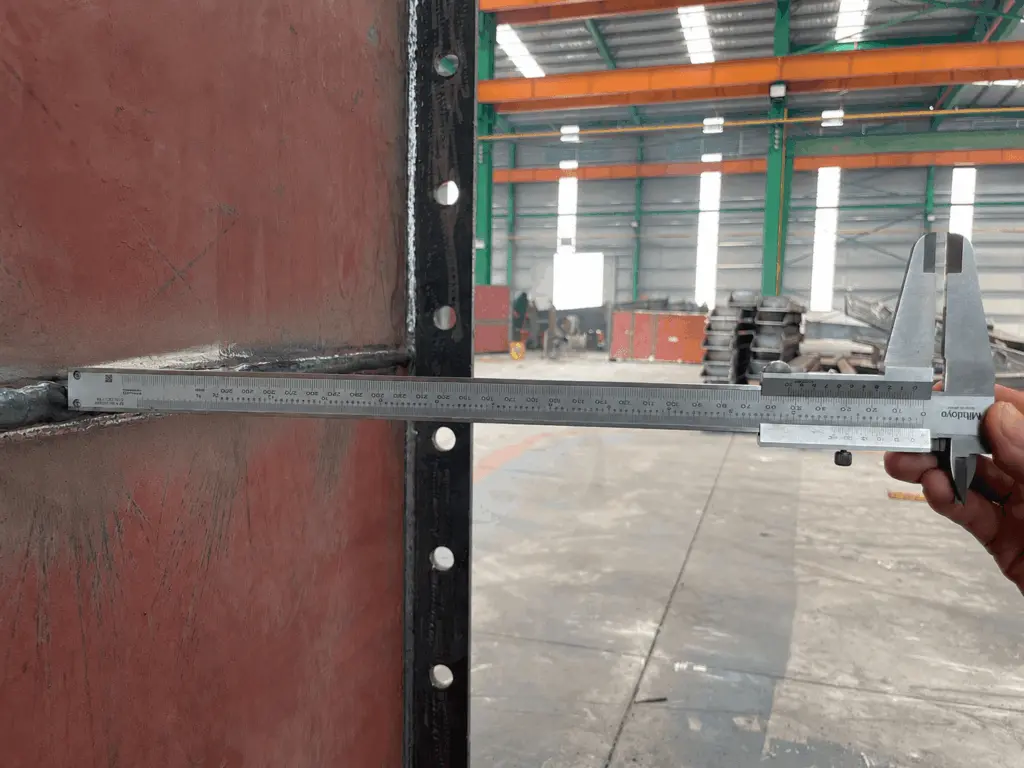
The measurement points also need to be marked from the outset. If a subsequent measurement is taken at a different location, the two thickness values will no longer provide a sufficient basis for calculating the wear rate at the same point.
The method for organizing monitoring milestones and calculating wear rate is presented in Part 4: Measuring wear rate and establishing a baseline.
3. When the extent of operational impact needs to be demonstrated but no measurements are available, the operating log can be the starting point
Measuring equipment is not always required as the first step.
If the immediate objective is to determine the extent to which a location is affecting operations, the operating log can provide important initial data.
Three items of information should be obtained first:
- the number of interventions per year at the location
- the number of downtime hours per intervention
- whether the location has previously caused an unplanned shutdown
These data help convert descriptions such as “frequent failures”, “requires frequent patching”, or “this location causes a lot of problems” into information that can be analyzed further.
The source of each figure also needs to be clearly recorded. Direct measurements, figures provided by the plant, and figures calculated from other data should not be presented as if they were the same type of data.
4. Each department can start with a different article
Not every department needs to read all the content in the same order. The starting point should be linked to the work the reader is currently handling.
For procurement, the important transition is from qualitative assessment to comparable data. Describing a location only as “wearing quickly” is not sufficient to place two solutions side by side in terms of service life and cost of use.
5. Three actions the plant can start immediately
Some data can be generated using existing resources without organizing a separate full survey.
5.1. Mark measurement points at one location
This is a simple activity but one that is very difficult to compensate for if omitted. After the material has been replaced, accurately identifying the previous measurement points may no longer be possible.
5.2. Use a consistent reference scale when taking photographs
Field photographs from different surveys are easier to compare when the same dimensional reference is used.
A consistent type of reference scale should be selected and placed within the same frame as the location being recorded.
Hands or objects with non-fixed dimensions should not be used as reference standards.
5.3. Obtain three data points from the operating log
Three items of information that can be compiled immediately are the number of interventions per year, the number of downtime hours per intervention, and the history of unplanned shutdowns associated with the location.
These figures do not replace technical field data but help determine the extent to which the location is affecting maintenance and operations.
6. When should a field survey be carried out at the location?
A survey is valuable when the objective is to add missing data required for the next evaluation stage.
Four situations in which a direct survey should be considered are:
- the operating conditions have not yet been sufficiently recorded
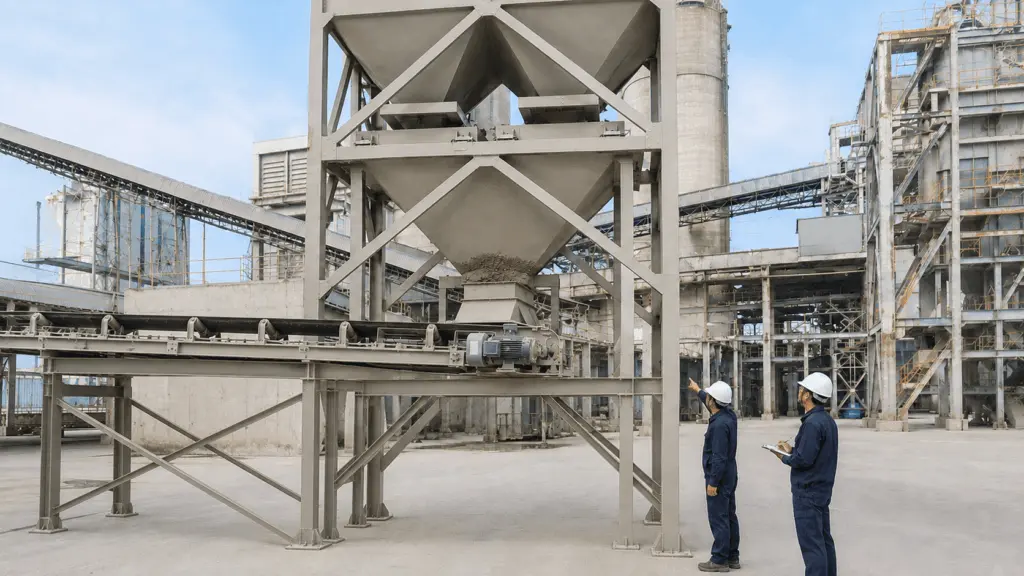
- the location experiences material-flow blockage and requires observation while the equipment is operating
- the plant is preparing to replace the material but no baseline has been established
- a trial needs to be designed with a control location and clearly defined stopping criteria
7. When is a separate survey not yet necessary?
Not every location requires an additional survey visit.
A survey should be carried out when it adds data required for a specific technical or operational decision.
If the location continues to operate through maintenance cycles, does not cause unplanned shutdowns, and has not yet created an operational bottleneck, additional measurement may not be the immediate priority.
8. From mechanism identification to material-group selection
Three knowledge groups are connected in a sequence from problem identification to solution selection:
This sequence helps avoid moving directly from an observation such as “rapid wear” to the name of a specific material.
Before selection, the damage mechanism needs to be understood and data on the operating conditions need to be available. If these input data are missing, the material-selection stage also lacks a sufficient basis for comparison.
9. Notes when applying this knowledge
Three points need to remain clear.
First, this content helps determine the work sequence based on the current condition of the location; it does not provide a common replacement threshold. The replacement threshold depends on the operating and safety requirements of each plant.
Second, the baseline of the existing material and the initial reference point of the new material need to be recorded at the correct time. Once these milestones are missed, the initial data cannot be fully recreated.
Third, the cases in which a separate survey may not yet be required are only common situations. The decision on whether a survey is necessary still needs to be based on the objective to be addressed and the information currently available at the plant.
The survey roadmap does not necessarily need to begin with a field visit. What needs to be done first depends on which data are already available, which data are at risk of being lost, and which decision the plant needs to make. Maintaining the correct sequence helps avoid collecting additional data that are not yet necessary while also preventing the loss of data that cannot be recovered later.