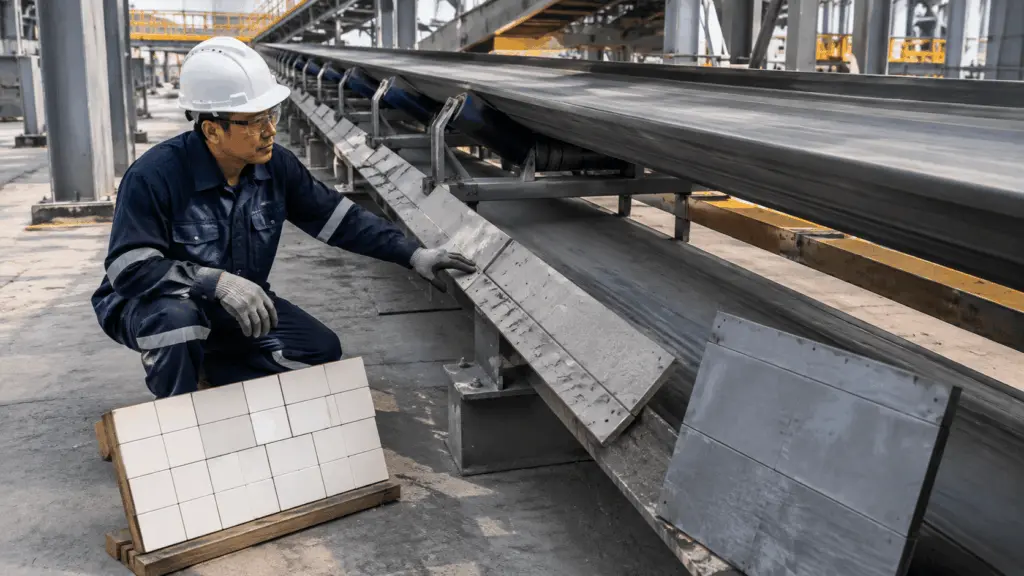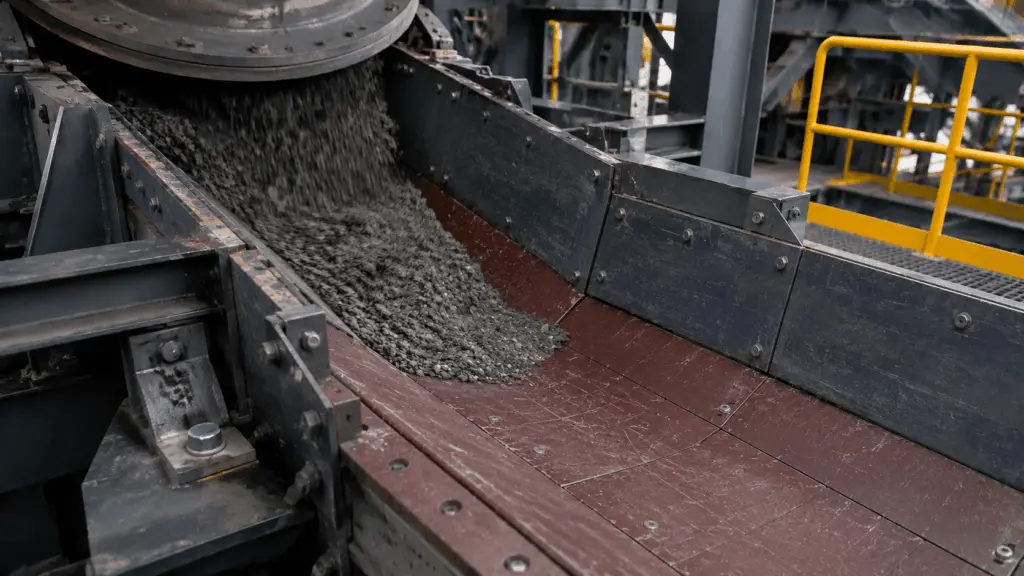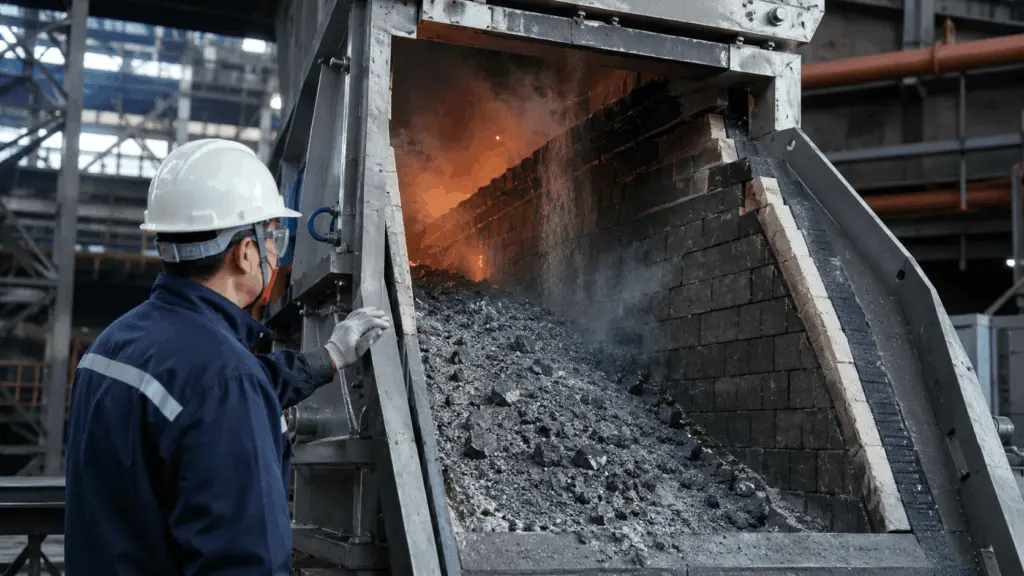
Part 7: Material selection for special operating conditions
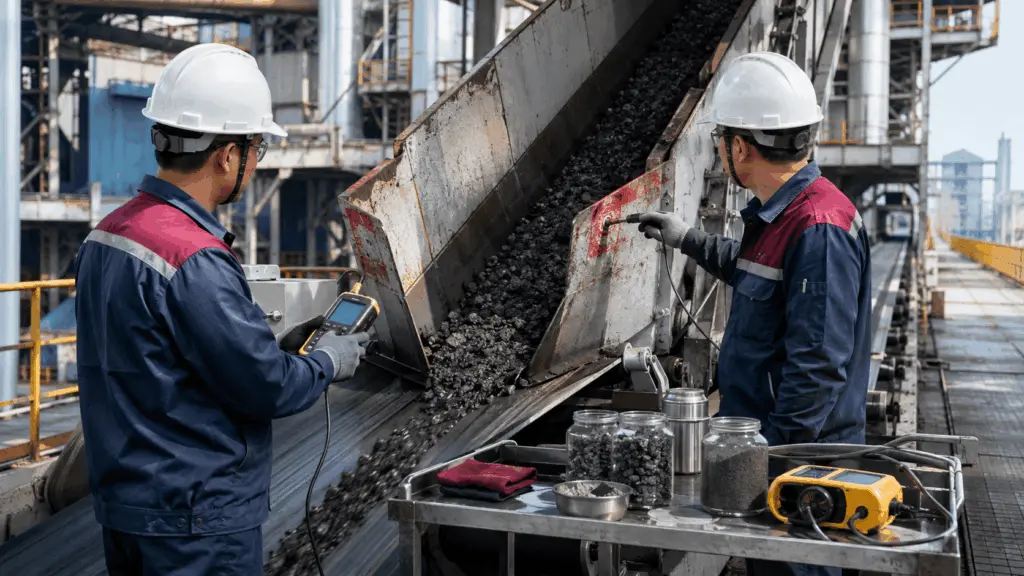
For most locations, the selection process can begin with operating conditions and proceed through sequential screening based on temperature, abrasion, impact, and corrosion.
However, some applications cannot begin with this sequence.
If a location has requirements concerning food contact, extremely high temperatures, highly corrosive chemicals, or fire resistance, compliance requirements and applicable documentation need to be checked first. A material may be entirely suitable in terms of technical properties but still be unsuitable for use if the mandatory certification or documentation for the specific application is missing.
Therefore, under special operating conditions, the range of materials needs to be narrowed down according to the mandatory application requirements before proceeding to evaluate material properties.
1. Four conditions that may change the selection sequence
Four groups of conditions need to be considered separately:
In these cases, the selection sequence needs to become:
- Identify the mandatory application requirements
- Verify the required certifications and documentation
- Narrow down the material groups that meet the requirements
- Continue screening according to actual operating conditions
The difference lies in the first step. The list of materials eligible for consideration has already been restricted before mechanical properties are examined in detail.
2. Determine early whether the location falls under special operating conditions
The assessment can begin with three questions:
- Does the material come into direct contact with the product?
- Does the peak temperature at the location exceed 550 °C?
- Is the location subject to the plant’s fire-resistance requirements?
If the answer to any question is “yes,” the applicable requirements need to be checked before proceeding with material selection.
For chemical environments specifically, the following need to be identified:
- chemical name
- concentration
- temperature
The environment should not be described merely as a “highly corrosive environment,” because the same material may be suitable for one chemical but unsuitable for another.
3. Compliance requirements must be checked against regulations currently in force
Certification or documentation requirements may vary according to:
- time
- industry
- product type
- location of use
- scope of contact
Therefore, a regulation number taken from outdated documentation should not automatically be applied to every case.
When an application has mandatory requirements, the regulations in force at the time of use need to be consulted, and the plant’s authorized department must confirm their scope of application.
The material supplier may provide relevant certifications and documentation but does not determine on behalf of the plant which requirements are mandatory for the specific application.
4. Screening according to operating conditions continues only after the compliance assessment
Once the material list has been narrowed down according to mandatory requirements, the selection process returns to the conventional technical sequence:
Temperature → abrasion → impact → corrosion
A material that meets all certification requirements but cannot withstand the temperature at the location must still be eliminated.
Conversely, a material with highly suitable mechanical properties that does not meet the application’s mandatory requirements must also be excluded.
Two sets of conditions need to be clearly distinguished:
- conditions governing whether the material is permitted for use
- operating conditions governing technical suitability
Only when both are satisfied can the material remain under consideration.
You can learn more about the four-factor screening sequence in Part 2: Four influencing factors and the material selection sequence.
5. Extremely high temperatures rapidly narrow the range of suitable materials
Temperature is one of the conditions that can eliminate entire material groups from the outset.
According to the material-group classification table used throughout this article series:
The threshold requiring attention is 750 °C. According to this table, above that temperature, no metallic material groups remain within the selection range.
However, the thresholds above are intended only for screening by material group.
Within the same group, individual grades may have significantly different temperature limits. Once a material group has been identified, the current technical specification for the intended grade must still be checked.
You can learn more about using upper temperature limits in the selection process in Part 2: Four influencing factors and the material selection sequence.
6. Chemical resistance must be evaluated against the specific environment
The term “chemically inert” does not describe an absolute property.
A material may remain stable in one environment but be unsuitable for another.
Therefore, when evaluating resistance to chemical exposure, at least three pieces of information are required:
- chemical name
- concentration
- temperature
For example, in the material table being used, fused cast basalt has a relatively broad range of chemical inertness. However, this group also has an upper temperature limit of approximately 350 °C and lower impact resistance than metallic material groups.
This demonstrates that a material with strong resistance to chemical attack still needs to be evaluated according to temperature, impact, and the remaining operating conditions.
A general assessment of “good corrosion resistance” should not replace verification of the actual chemical environment.
7. Certain requirements need to be specified at the ordering stage
Some requirements are difficult to add after the material has been manufactured or delivered to the plant if they were not agreed upon before ordering.
These requirements should be included in the procurement documentation before ordering rather than added only at the acceptance stage.
This is particularly important for parameters intended to serve as technical criteria or acceptance conditions.
You can learn more about the differences between guaranteed values, typical values, and converted values in Part 1: Material properties and trade-offs in material selection.
8. Three questions that need to be confirmed before purchasing
Before finalizing a solution for an application involving special operating conditions, three questions need to be clearly answered:
- What compliance requirements apply to this location, and which department within the plant confirms them?
- Until what date must the required certification remain valid?
- If the supplier changes, will the documentation or certification need to be reassessed?
These three questions help clearly distinguish responsibilities among:
- engineering
- quality
- legal
- procurement
- supplier
If the mandatory requirements have not been clearly identified, comparing materials based on hardness, service life, or cost still lacks an important input condition.
9. For food-contact applications, mechanical-property tables are insufficient to establish material suitability
At locations involving direct contact with the product, the material must meet not only the requirements for abrasion, temperature, or installation.
It is also necessary to verify the requirements applicable to the specific industry, product, and type of contact.
The supplier is responsible for providing the material’s documentation or certification.
However, determining which requirements are mandatory for the specific application is the responsibility of the plant.
Therefore, the engineering department should not independently conclude that a material is “suitable for food contact” based solely on:
- material composition
- hardness
- wear resistance
- operating temperature
Physical and mechanical property information does not replace the application’s compliance documentation.
10. High-temperature resistance and compliance with fire-resistance requirements are two different matters
A material may operate at very high temperatures, but this does not automatically demonstrate that it meets the location’s fire-resistance requirements.
Two matters need to be distinguished:
Heat resistance indicates the temperatures at which the material can maintain its operating capability.
Fire-resistance requirements belong to the application’s safety requirements and need to be evaluated according to separate criteria.
If the location is subject to fire-resistance requirements, the following need to be checked separately:
- applicable criteria
- evaluation method
- required documentation or certification
A numerical upper temperature limit should not be used to infer compliance with fire-resistance requirements.
11. Responsibilities of the departments
The key distinction to maintain is that the supplier does not determine the plant’s compliance requirements.
The supplier provides the material’s documentation and certifications.
The plant determines which documents are mandatory for the specific application.
12. Notes when applying this knowledge
First, this article provides a selection framework for special operating conditions; it does not replace the need to consult the regulations currently applicable to each application.
Second, an outdated regulation number should not be used as a default basis for every project. Its scope of application needs to be confirmed at the time of selection.
Third, “chemical inertness” must be evaluated according to each specific environment. Chemical name, concentration, and temperature are three required data points before reaching a conclusion.
Fourth, the upper temperature limits in this article are presented by material group. When proceeding to a specific grade, the manufacturer’s current technical documentation needs to be checked.
Fifth, high-temperature resistance does not replace fire-resistance requirements, just as suitable mechanical properties do not replace the certification required for food-contact applications.
Under special operating conditions, the first step is not to find a harder material or one with higher temperature resistance.
You need to first determine which materials are permitted for use within the scope of the application, and only then continue screening according to operating conditions. This approach helps avoid situations in which a solution is technically suitable but lacks the documentation required for practical implementation.