Which types of cement plant equipment is Hardox wear plate suitable for?
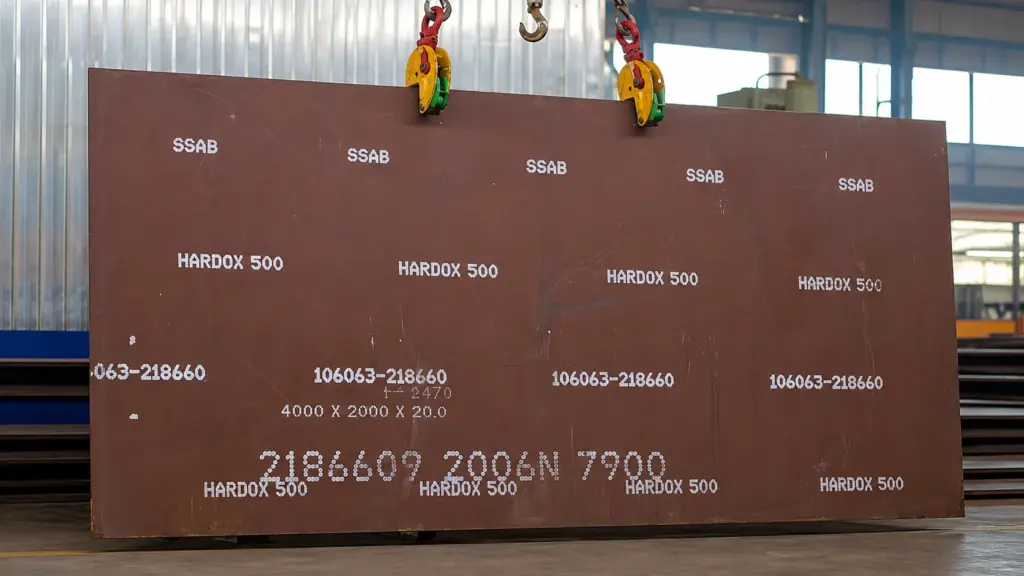
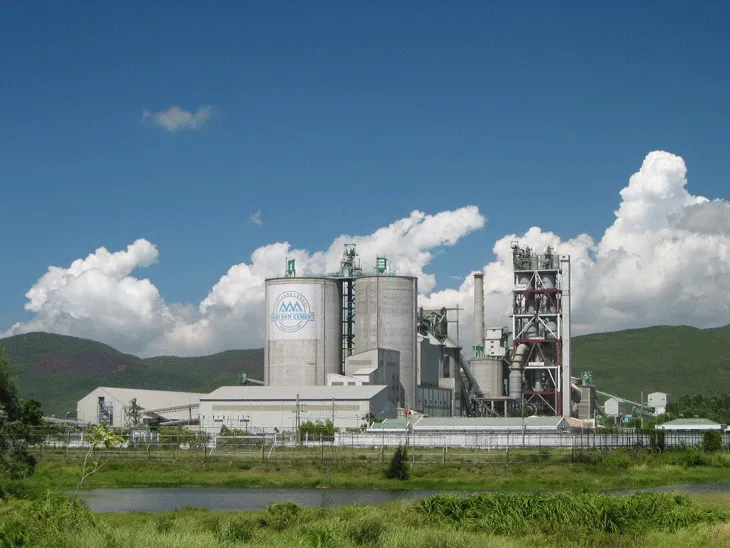
In cement plants, Hardox wear plate is used in many types of equipment that regularly come into contact with limestone, clinker and other highly abrasive materials. From crushers and transfer chutes to hoppers and conveying systems, Hardox helps protect wear components, extend equipment service life and reduce repair and replacement requirements.
However, operating conditions vary across the production line. Understanding the scope of application and the factors involved in selecting Hardox helps plants plan maintenance more proactively and control operating costs.
1. Why do cement plants need wear-resistant steel?
Cement production involves several stages, including quarrying, crushing and grinding, conveying, clinker burning and finished product storage. At each stage, components in direct contact with materials are exposed to wear caused by friction, impact or continuous material flow.
Wear severity depends on material characteristics and the operating conditions of each piece of equipment. For example, large limestone lumps can cause heavy impact in crushers and receiving hoppers, while continuous material flow can wear down chute walls, guide plates and conveying components.
As wear progresses, plants commonly face the following problems:
- Rapid component deterioration: Liners, hopper walls and transfer chutes lose thickness, wear through and require replacement.
- Increased maintenance workload: Recurring damage requires labour, materials and repair time.
- Disruption to production schedules: Some replacements require equipment downtime, particularly in locations that are difficult to access.
- Higher equipment operating costs: Material, machining, labour and downtime costs accumulate over successive maintenance cycles.
Using suitable wear-resistant steel helps components withstand the effects of material flow for longer. It is one option plants can consider when improving locations affected by recurring wear.
2. What makes Hardox wear plate suitable for the cement industry?
Hardox is a range of wear plate developed by SSAB, combining hardness, toughness and workability. It is used across many heavy industries, particularly in equipment that regularly handles rock, minerals and granular materials.
In the cement industry, these properties offer several relevant benefits:
- Wear resistance: Helps extend the service life of surfaces regularly exposed to material flow.
- Impact resistance: Suitable for components exposed to mechanical impact, depending on the steel grade and operating conditions.
- Processing flexibility: Can be cut, welded, bent and fabricated into various component shapes to meet technical requirements.
- Broad application scope: Can be used as protective liners or to fabricate wear components for production lines.
Hardox is available in grades such as Hardox 450, Hardox 500, Hardox 500 Tuf, Hardox 550 and Hardox 600. Each grade has distinct properties suited to different requirements for wear resistance, impact resistance and processing.
With several grades offering different properties and application ranges, plants can explore the wear-resistant steel category to review material options for their requirements. Identifying wear locations, operating conditions and machining requirements in advance provides a clearer technical basis for product selection.
3. Which types of cement plant equipment can use Hardox steel?
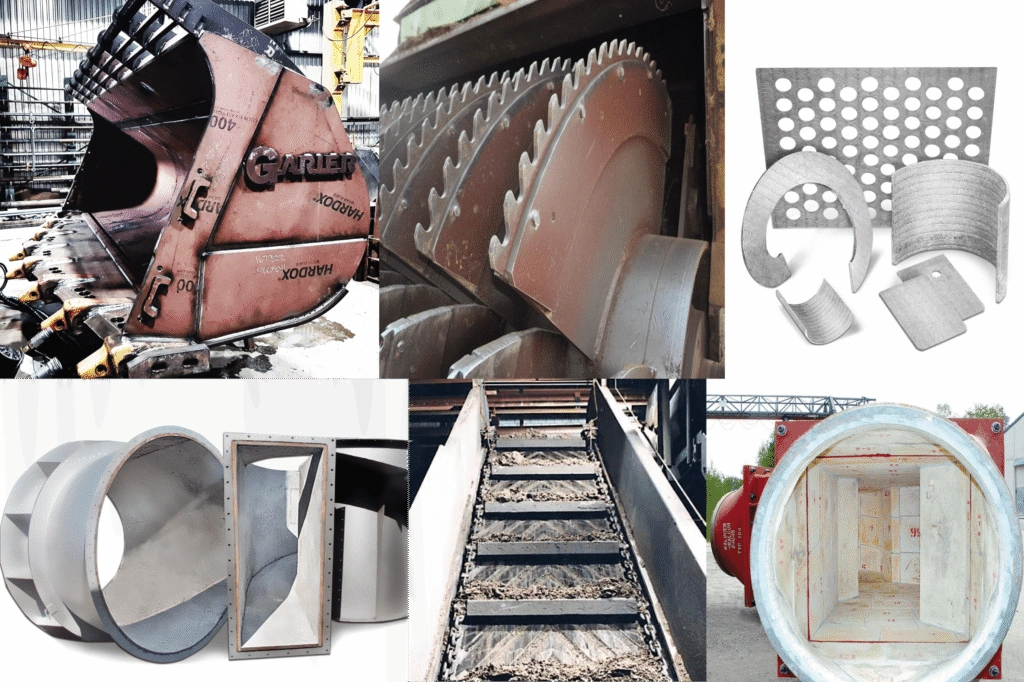
Hardox wear plate can be used from limestone quarrying through crushing, grinding, conveying, material handling and finished product storage. Relevant locations include surfaces that are regularly in contact with materials, already show signs of wear or require improved component service life.
3.1. Limestone crushers and clinker grinding equipment
Crushing and grinding equipment is exposed to significant wear and impact in cement production lines. As limestone or clinker enters the equipment, components in direct contact with the material experience continuous mechanical loading, leading to wear during operation.
Hardox can be used for components such as:
- Jaw plates in jaw crushers.
- Hammers in hammer crushers.
- Protective liners at suitable locations.
- Wear components at feed inlets and discharge outlets.
- Lifter bars and certain protective components in ball mills.
Grades such as Hardox 500, Hardox 550 and Hardox 600 may be considered for various wear components in crushing and grinding equipment. Selection must account for impact severity, the characteristics of the material being processed and the operating requirements of each component.
Benefits for the plant: With suitable materials, wear components can achieve longer service life, reducing replacement frequency and helping maintenance teams prepare spare parts according to plan.
3.2. Transfer chutes and raw material hoppers
Transfer chutes and hoppers are installed at various points along the production line to receive, guide and transfer materials between equipment. Chute bottoms, sidewalls, discharge outlets and material receiving points are often directly exposed to material flow.
At these locations, Hardox can be used to fabricate wear-resistant liners or replace deteriorated components. Plates can be processed to match chute and hopper dimensions and shapes, meeting actual installation requirements.
Potential benefits include:
- Reducing wear and the risk of chute and hopper walls wearing through.
- Extending the service life of surfaces exposed to wear.
- Reducing repair requirements at locations with recurring damage.
- Making it easier to plan liner replacement by area.
For chutes or hoppers with several distinct wear locations, plants can consider concentrating protection on the most heavily affected surfaces. This approach requires an assessment of equipment condition, material flow direction and the mounting structure.
3.3. Belt conveyors, bucket elevators and screening equipment
During material transport, components in belt conveyors, bucket elevators and screening equipment handle materials of varying sizes and characteristics. Locations where materials are received, redirected or classified can develop wear over extended operation.
Hardox steel can be used for:
- Guard plates and guide plates on belt conveyors.
- Elevator buckets and their wear components.
- Screen decks and certain material classification components.
- Protective plates at transfer points between conveying systems.
For screening equipment, Hardox 450 and Hardox 500 Tuf are grades that may be considered. In more abrasive environments, higher-hardness grades such as Hardox 550 or Hardox 600 may also be assessed according to application requirements.
Benefits for the plant: Improving the wear resistance of components in regular operation helps reduce replacement requirements and maintain conveying system operation. For continuous production lines, this is a relevant factor in maintenance scheduling.
3.4. Vertical raw mills and separator systems
Vertical raw mills grind and classify raw materials before subsequent processing stages. Internal guide and protective components regularly come into contact with material flow, which can cause wear in certain areas.
Hardox may be considered for guide plates, protective plates, separator components and liners at suitable locations. Grades such as Hardox 450, Hardox 500 Tuf or Hardox 600 may be used for different components, depending on equipment requirements.
When selecting materials for raw mills, plants need to consider operating conditions, component geometry and the feasibility of machining replacement parts. Locations exposed to high temperatures or specific wear conditions require separate assessment before the material is selected.
3.5. Hoppers, silos and discharge systems
Hoppers and silos store, feed and discharge raw materials or finished products in cement production lines. As materials move continuously along equipment surfaces, some locations can wear over time, particularly near discharge outlets and where material flow changes direction.
Hardox can be used as protective liners at suitable wear locations. Liner thickness and configuration must account for the area requiring protection, material flow characteristics and installation requirements.
For large equipment, accurately identifying wear zones helps plants develop protection plans for individual areas. Machining and replacement work can then be prepared in line with the maintenance schedule.
4. Overview of Hardox applications in cement plants
The table below helps technical and maintenance teams quickly identify equipment groups where Hardox wear plate may be considered.
These locations provide general application guidance. Selecting the appropriate Hardox grade requires an assessment of the operating conditions and specific technical requirements of each component.
5. When should plants consider replacing existing materials with Hardox wear plate?
Plants can consider Hardox when existing wear components have a short service life, require frequent repairs or create maintenance difficulties. Assessment should start with locations that have a history of damage and significantly affect production line operation.
Signs to consider include:
- Liners, chutes or hoppers repeatedly wear through: These locations may require a review of the material, thickness or protective configuration.
- Components require frequent replacement: High replacement frequency increases material, machining and maintenance labour costs.
- Repairs extend downtime: Locations that are difficult to access or require multiple dismantling and assembly steps can increase repair time.
- The plant plans to improve equipment: When redesigning chutes, hoppers or replacement components, Hardox may be considered as a material option.
- Spare parts need to be prepared before maintenance: Components that can be machined in advance help maintenance teams organise work more effectively during downtime.
For continuously operating equipment, selecting materials with a suitable service life helps plants plan replacement work more proactively. This is particularly valuable where maintenance requires an entire equipment assembly to be taken out of operation.
6. Factors to consider before selecting Hardox steel
The effectiveness of wear-resistant steel depends on how well the material matches actual operating conditions. Before selecting a Hardox grade or replacing existing components, plants should consider the following factors.
6.1. Characteristics of the materials being conveyed or processed
Limestone, clinker and other raw materials differ in size, shape and abrasive characteristics. These differences affect the severity of their action on equipment surfaces.
Plants need to identify the material type, particle size and how the material contacts the component. This provides the basis for assessing the steel’s required wear resistance and impact resistance.
6.2. Equipment operating conditions
Material flow velocity, direction and impact severity vary by location. These factors must be considered alongside operating temperature to determine a suitable steel grade.
In particular, plants need to check material temperature limits in areas handling hot clinker or located near thermal systems. Temperature suitability directly affects the steel’s ability to retain its properties during operation.
6.3. Machining and installation requirements
Alongside steel grade selection, component dimensions and geometry affect replacement work at the plant. Transfer chutes, hoppers and liners may need to be machined to match the actual equipment structure.
Preparing drawings, dimensions and installation plans in advance helps maintenance teams organise materials and labour. For work that must be completed during downtime, preparation can help reduce the time required on site.
6.4. Total cost of use and maintenance planning
When assessing a material option, plants need to consider the total cost over its service life. Relevant costs include materials, machining, installation, replacement frequency and equipment downtime.
A component with a longer service life may reduce repair frequency and deliver long-term economic benefits. To support selection, plants should compare the existing component’s service life and operating conditions with the anticipated costs of the replacement option.
7. Frequently asked questions about Hardox steel in cement plants
Is Hardox steel suitable for all cement plant equipment?
Hardox can be used in various types of equipment, including crushers, grinding equipment, transfer chutes, hoppers and raw material conveying systems. Suitability must be assessed according to the wear mechanism, impact severity, temperature and structural requirements of each component.
Should I choose Hardox 450, Hardox 500 or Hardox 500 Tuf?
Each grade has distinct hardness, toughness and processing characteristics. Plants need to select a suitable option based on the component’s operating conditions and service life requirements.
Can conventional steel liners be replaced with Hardox?
Hardox may be considered as a replacement for certain conventional steel liners in wear applications. Before replacement, dimensions, thickness, attachment configuration and operating conditions must be checked to ensure compatibility with the existing equipment.
Can Hardox steel help reduce maintenance costs?
When appropriately selected, Hardox can help extend component service life, reduce repair frequency and support proactive maintenance planning. Economic benefits need to be assessed against actual service life, machining and installation costs, and the time required for replacement.
8. Selecting wear-resistant steel to match equipment and maintenance plans
Hardox wear plate can be used at many locations in cement plants, from limestone crushers and clinker grinding equipment to transfer chutes, hoppers and raw material conveying systems. Selecting the appropriate steel grade and machining approach helps extend component service life, reduce replacement frequency and improve maintenance planning.
For locations affected by recurring wear, plants need to consider operating conditions, equipment structure and anticipated downtime together. Preparing materials, drawings and replacement components early helps technical teams organise labour, materials and implementation schedules.
As a Hardox Wearparts centre in Vietnam, Gia Anh (GAC) can supply and machine a range of Hardox wear plate grades for cement plants, coal-fired power plants, mining operations and other heavy industries. With its machining workshop and services covering on-site measurement, design, installation and after-sales maintenance, GAC supports plants from material selection through the preparation of replacement components matched to their actual equipment.
If your plant needs to replace liners, transfer chutes, hoppers or other wear components, send Gia Anh details of the wear location, component dimensions, operating conditions and anticipated downtime schedule. The GAC team will help assess the current condition and recommend suitable materials and machining approaches, enabling your plant to plan costs, schedules and maintenance more proactively.
Contact Gia Anh (GAC):
- Hotline: 096 288 7883
- Email: contact@giaanh.vn