Permanent Wear Protection for Pipelines and Pipe Elbows
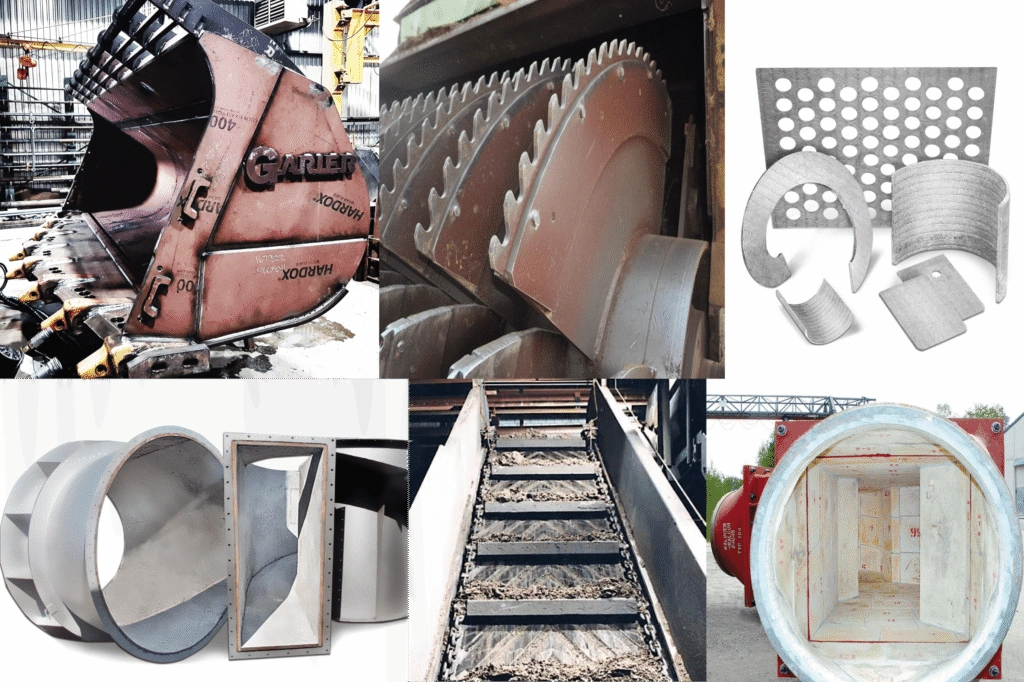
To protect conveying systems from continuous abrasion, using specialized wear-resistant lining materials is one of the most effective solutions. A wide range of materials with unique performance characteristics can be selected as protective linings, among which pipe linings manufactured from mineral, ceramic, or metallic materials have consistently demonstrated outstanding performance in practical industrial applications.
1. Benefits of Wear-Resistant Pipe Lining Solutions
Installing wear-resistant protective linings provides significant advantages for pipelines and pipe elbows, including:
- Extended service life far exceeding that of conventional steel pipelines.
- Reliable operation with minimal maintenance requirements.
- Reduced risk of unplanned downtime and elimination of production losses.
- Maintains material purity by preventing contamination of conveyed materials caused by wear, mixing, or oxidation.
- Maximum safety: Physiologically harmless and suitable for food-grade applications.
- Optimized material flow: A smooth internal surface improves flowability while preventing material blockage inside the pipeline.
- Lower operating costs: Reduced pressure loss and lower energy consumption during operation.
2. Why Do Pipelines and Pipe Elbows Require Wear Protection?
Abrasive wear becomes particularly severe when large, hard, and sharp-edged bulk materials are continuously conveyed through pipelines. Since the physical characteristics of the conveyed material cannot be altered to reduce friction, wear-resistant lining systems must be installed directly on critical pipeline components—especially pipe elbows, where impact and abrasion are most severe.
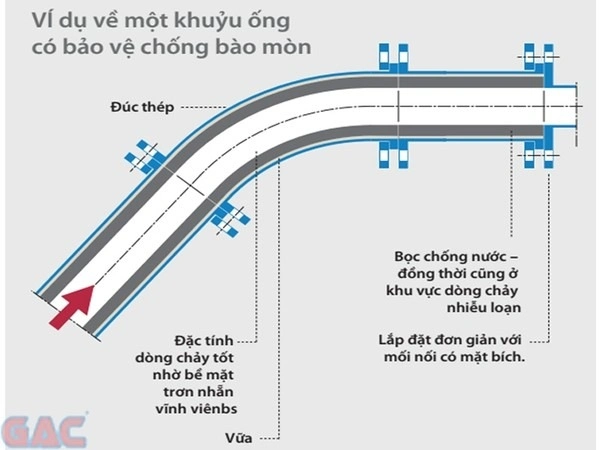
3. Typical Structure of a Ceramic-Lined Wear-Resistant Pipeline
To achieve both technical performance and economic efficiency, wear-resistant pipelines are typically constructed with three primary layers:

-
-
Lining layer (Ceramic/Mineral lining): Directly contacts the conveyed material and serves as the primary wear-resistant barrier.
-
Bonding layer: Securely bonds the wear-resistant lining material to the steel pipe.
-
Outer steel shell: Provides mechanical strength and protects the entire pipe structure.
-
4. Key Factors in Selecting the Optimal Wear Protection Solution
Abrasive wear occurs primarily when large, hard, and sharp-edged bulk materials are transported through conveying systems. Since the properties of the conveyed materials generally cannot be modified to minimize abrasion, effective protective measures must be implemented to safeguard critical system components.
We offer a comprehensive range of wear-resistant materials with different performance characteristics. Pipe linings manufactured from mineral, ceramic, and metallic materials have been proven to provide highly effective wear protection across numerous industrial applications.

Every industrial application experiences different levels of abrasive wear. The most effective wear protection solution, providing maximum service life and optimum cost efficiency, depends on the following factors:
- Selecting the appropriate lining material (ceramic, mineral, or metallic) according to the characteristics of the conveyed material.
- Proper evaluation of the application and operating conditions, including temperature, pressure, and impact loads.
- Accurate assessment of initial investment costs together with long-term maintenance expenses.
Practical application: The image below shows KALCOR ceramic lining successfully installed in the hopper section of a sinter dust collection system in a steel plant.