
FAQs
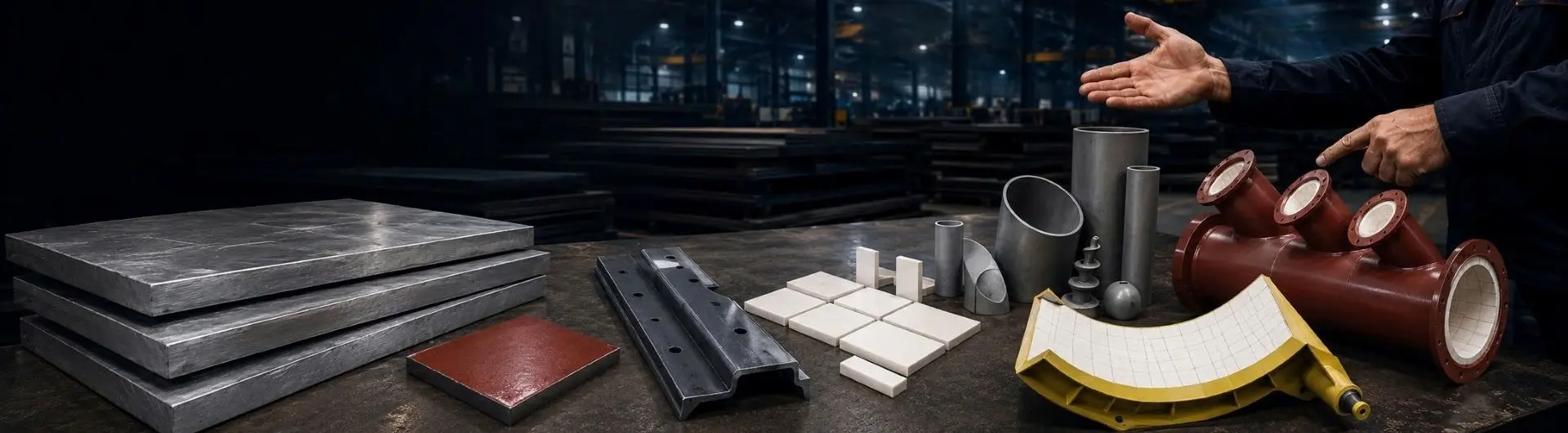
This approach combines different wear-resistant materials (such as ABRESIST, KALOCER, and KALMETALL) within the same system according to the wear severity of each area. It balances the service life of all components, eliminates unnecessary replacement of parts that still have usable life, and ultimately optimizes overall operating costs.
GAC classifies industrial wear into four primary mechanisms: adhesive wear, abrasive wear, corrosive wear, and fatigue wear. The evaluation is based on the German DIN 50320 standard, which analyzes the interactions among four key elements: the base material, the counter body, the intermediate medium, and the operating environment (including temperature and corrosion).
Yes. High-strength steel can enable a lighter vehicle structure while maintaining the required load-bearing capacity. Lower vehicle tare weight can help reduce fuel consumption, particularly for vehicles operating over long distances or carrying loads frequently. Gia Anh recommends suitable materials for each type of truck body, vehicle frame, and operating condition.
To extend equipment service life, material selection should not be based solely on hardness. Each area of a steel plant operates under different conditions, including impact, elevated temperatures, sliding abrasion, or repeated material drop. Gia Anh typically begins with an on-site assessment, identifies the causes of wear, and recommends a suitable material for each area. This approach can improve equipment reliability, reduce repair frequency, and optimize long-term maintenance costs.
Using wear-resistant steel does not automatically provide a longer equipment service life in every application. Selecting the wrong steel grade or thickness, or overlooking impact, temperature, and material flow conditions, may still result in cracking, detachment, or rapid wear. Some areas require high hardness, while others need greater toughness. An effective solution must therefore be based on actual operating conditions rather than applying a single material throughout the equipment.
Non-metallic materials are often suitable for areas exposed to fine-particle abrasion, high-velocity gas streams, or material build-up. In certain applications, engineering ceramics or polymers may provide better wear performance than steel under suitable operating conditions. However, non-metallic materials are not appropriate for every location. Gia Anh evaluates impact loads, temperature, flow velocity, and material characteristics to select the most suitable solution.
Yes, provided that maintenance requirements are considered during the design and fabrication stages. In addition to selecting a suitable material, Gia Anh can design liner plates, wear-resistant components, or equipment assemblies in modular configurations for easier removal and replacement. This reduces the amount of on-site work required during maintenance. The approach is particularly suitable for plants that need to maintain continuous production.
Gia Anh does not recommend a solution based solely on technical drawings or the equipment name. The technical team evaluates the operating location, the material being handled, wear rate, temperature, impact forces, and the customer’s target service life. Gia Anh then recommends an appropriate material, protective configuration, and installation method. This approach improves the practical applicability of the solution and aligns it with the operating conditions of each steel plant.
Equipment in cement plants typically operates under demanding conditions. Materials such as clinker, limestone, coal, and cement dust can cause severe wear, particularly at flow direction changes and high-velocity material zones. Selecting steel based solely on hardness, without considering impact, temperature, and the specific wear mechanism, may result in inadequate performance. Each area should therefore be assessed individually to determine the appropriate material and protective design.
Common high-wear areas include material transfer chutes, storage hoppers, cyclones, air ducts, industrial fans, and points where the material flow changes direction. These locations are directly exposed to high-velocity particles or heavy material loads. Without suitable protection, the equipment may deteriorate quickly and increase downtime-related costs. Gia Anh prioritizes the assessment of these areas when developing an effective wear protection plan.
Yes. Reducing liner replacement frequency requires selecting materials suited to each wear mechanism and designing the liner system according to the actual operating conditions. Some areas may require durable wear-resistant steel, while others may be better protected with engineering ceramics or non-metallic materials. Accurate fabrication and an appropriate liner arrangement can also help extend service life. Longer replacement intervals allow the plant to reduce maintenance costs and equipment downtime.
Wear-resistant ceramics are well suited to many applications in the cement industry, particularly areas exposed to high-velocity gas streams or fine particle flow. Their high hardness and wear resistance make them suitable for protecting pipelines, cyclones, hoppers, and other high-wear zones. However, applications involving severe impact require careful evaluation to reduce the risk of cracking or fracture. Gia Anh selects the appropriate ceramic material and installation method for each specific operating condition.

Request Solution Consultation
Speak directly with our experienced engineers for a free site assessment and consultation on the most suitable solution
Key Clients


