
Project overview
At the Ironmaking Plant – Hoa Phat Dung Quat, the vibrating floor system operates continuously 24/24 with a capacity of 350 tons/hour, receiving multiple types of material including coke, sinter, pellets and mixed ore. According to the technical dossier, the ore hardness is approximately 400 HBW, with particle sizes varying depending on the type of material.
Through the site survey, GAC recorded that the existing vibrating floor used only a single main steel layer, without an internal wear-resistant lining. When localized wear or perforation occurred, the repair method mainly involved patch welding or adding steel plates and liner materials. Meanwhile, each maintenance shutdown lasted only approximately 12–20 hours, placing significant constraints on repair activities.
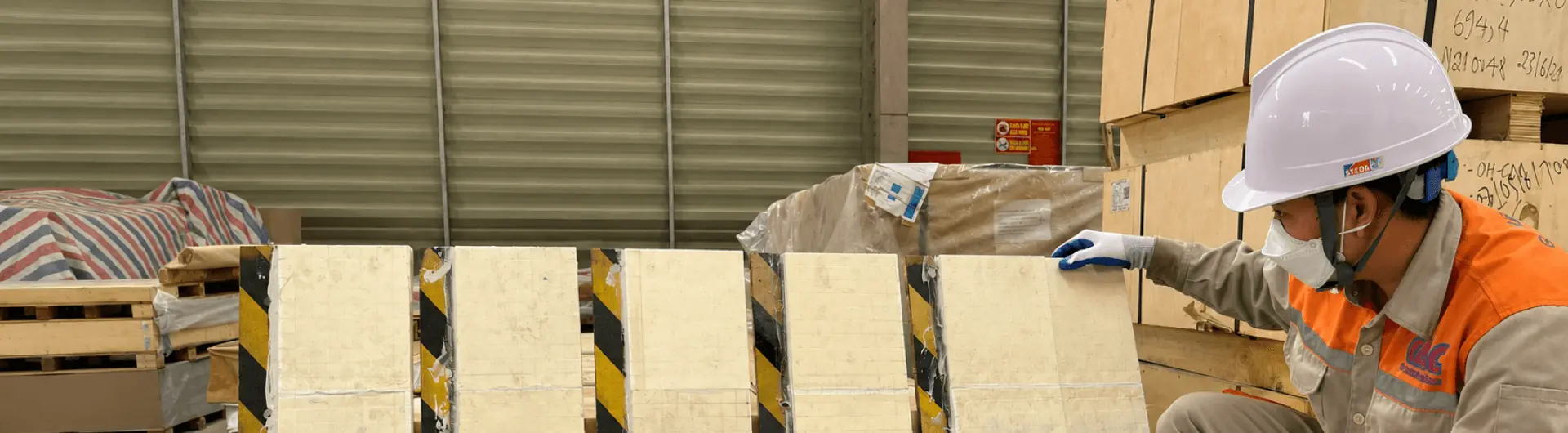
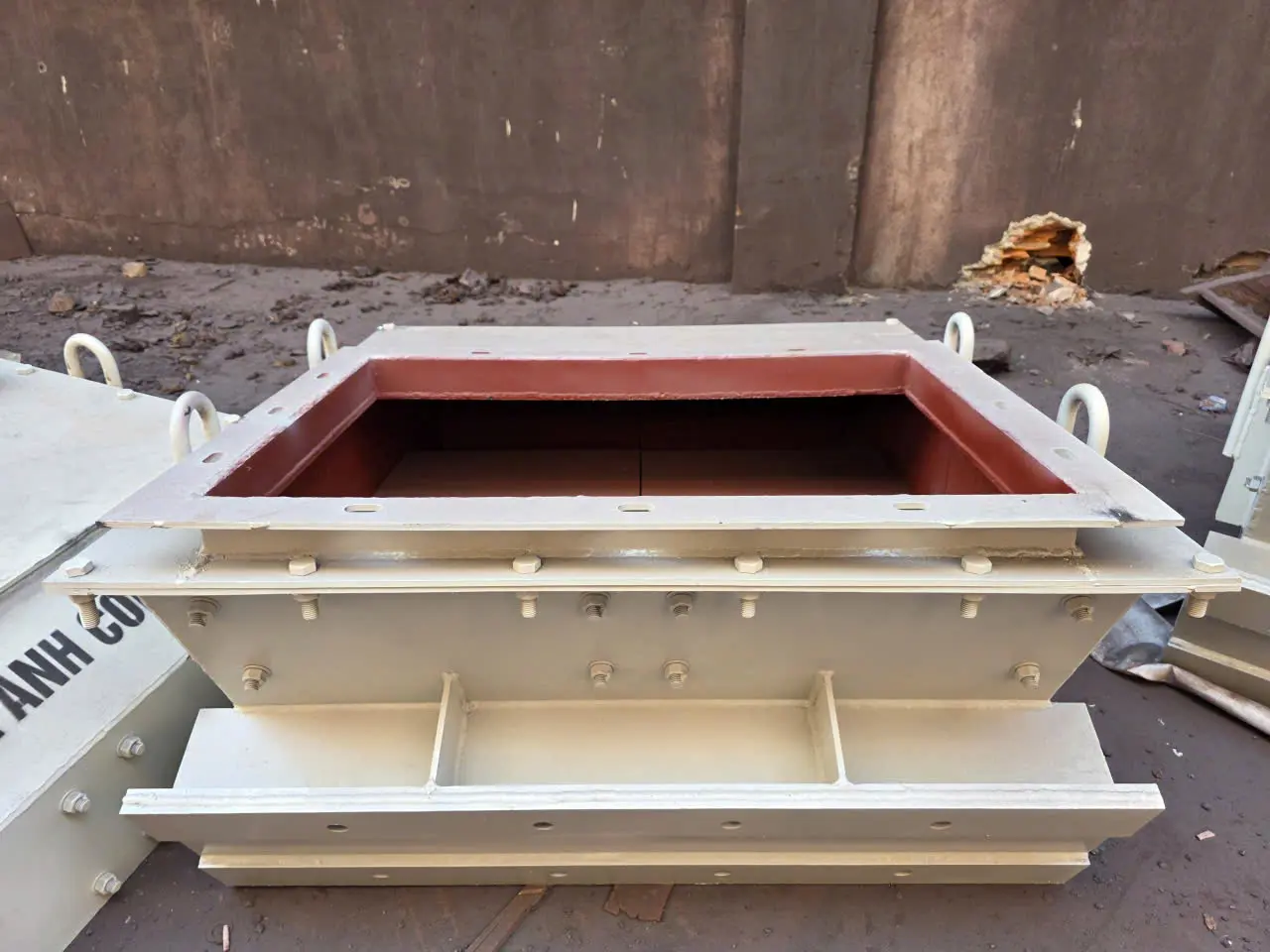
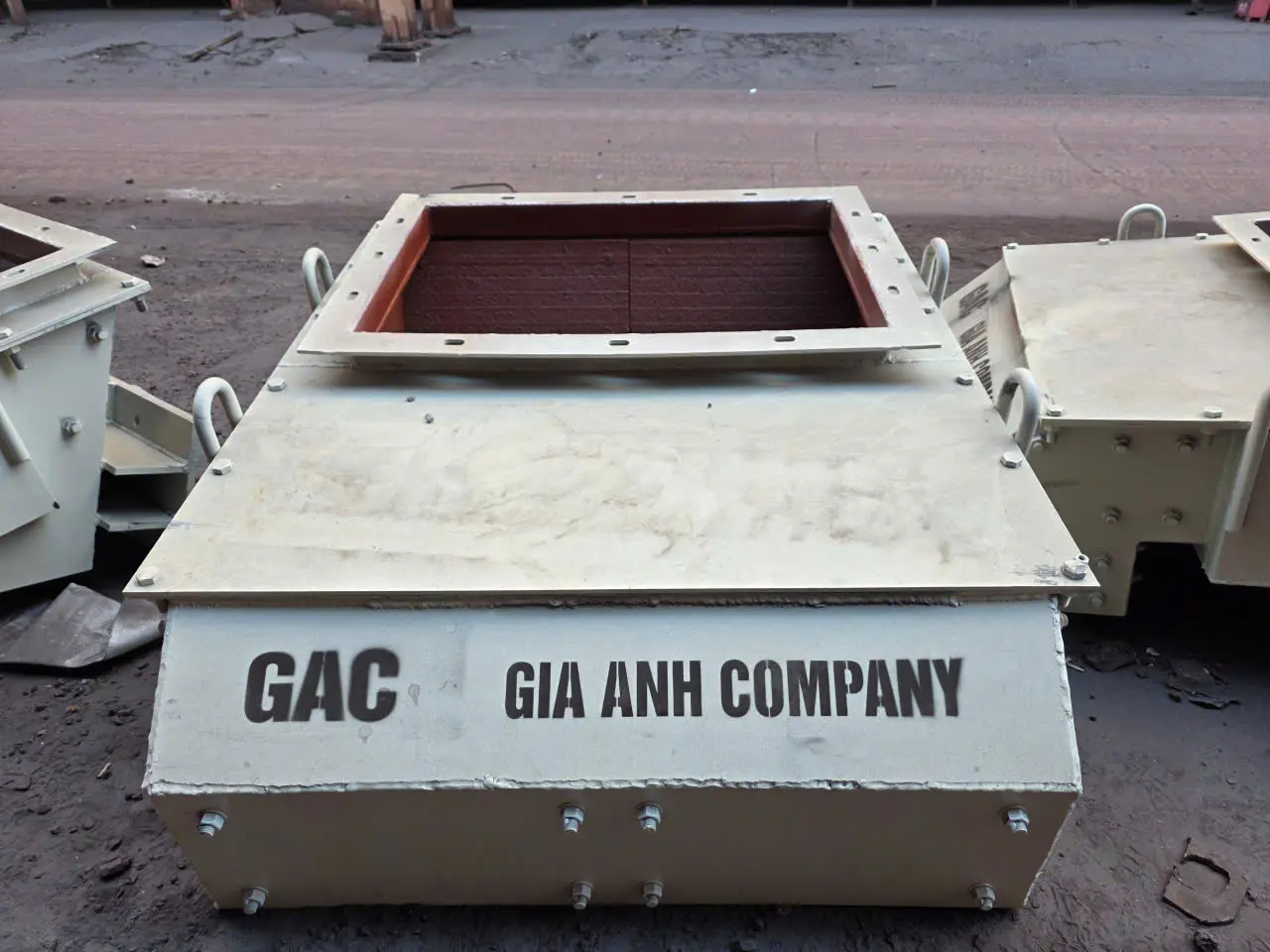
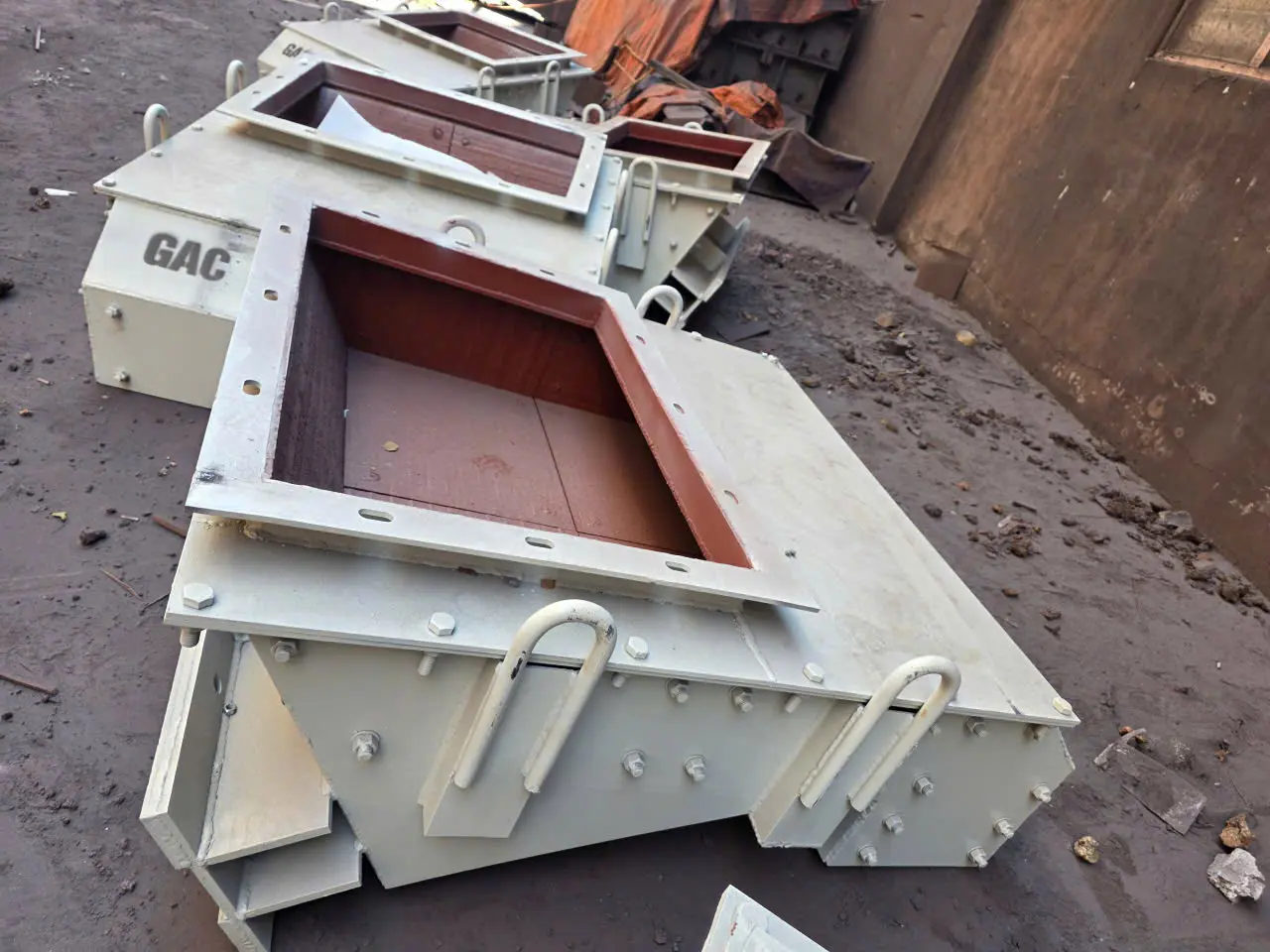
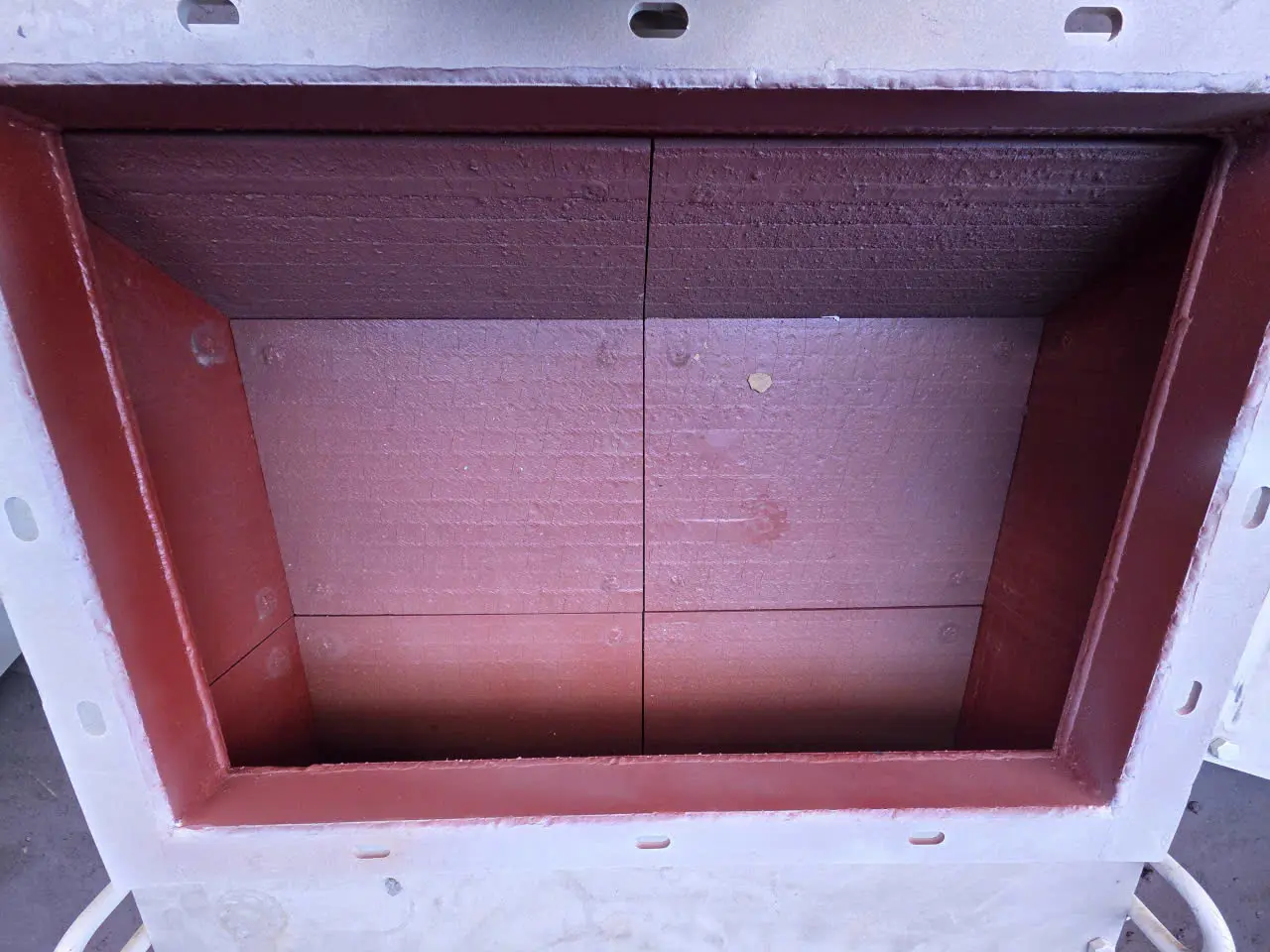
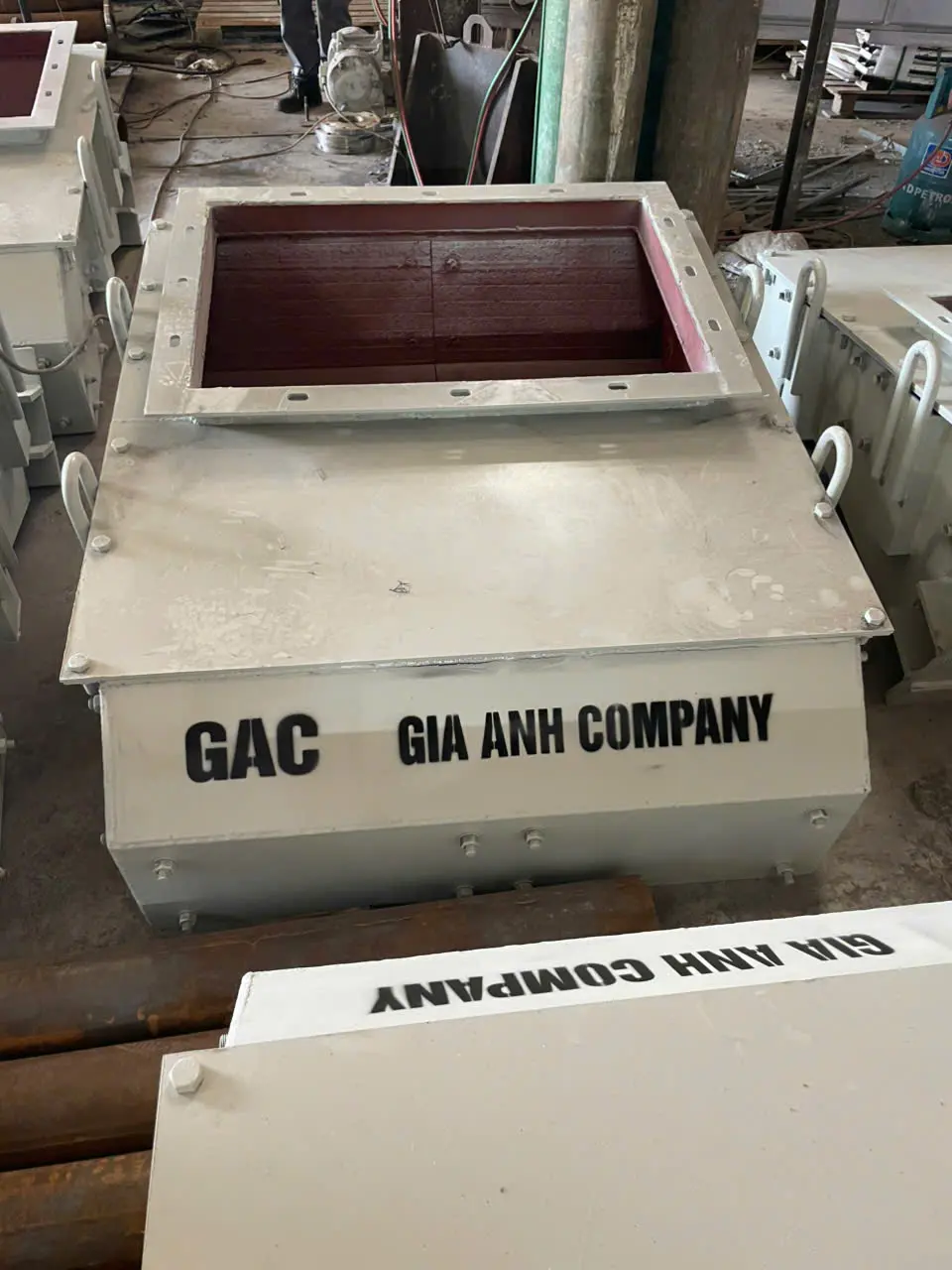
Based on the existing condition, GAC proposed fabricating a new vibrating floor with a two-layer configuration performing separate functions. An 8 mm-thick SS400 steel shell provides structural support, while 12 mm-thick Kalmetall W100 with a 6+6 mm configuration is arranged on the material-contact surfaces. The wear-resistant plates are connected by bolts, supporting periodic inspection and replacement.

Customer challenges
Vibrating floor suffered wear and perforation
Ore and coke continuously generate friction and impact on the vibrating floor surface during 24/24 operation
Existing structure had no wear-resistant lining
The vibrating floor used only a single main steel layer, directly exposed to the impact of the material
Welding repairs were required when damage occurred
Perforated and damaged areas were treated by external patch welding or by adding internal liner materials
Maintenance time limited to 12–20 hours
The short shutdown window restricted cutting, welding and repair activities in worn areas
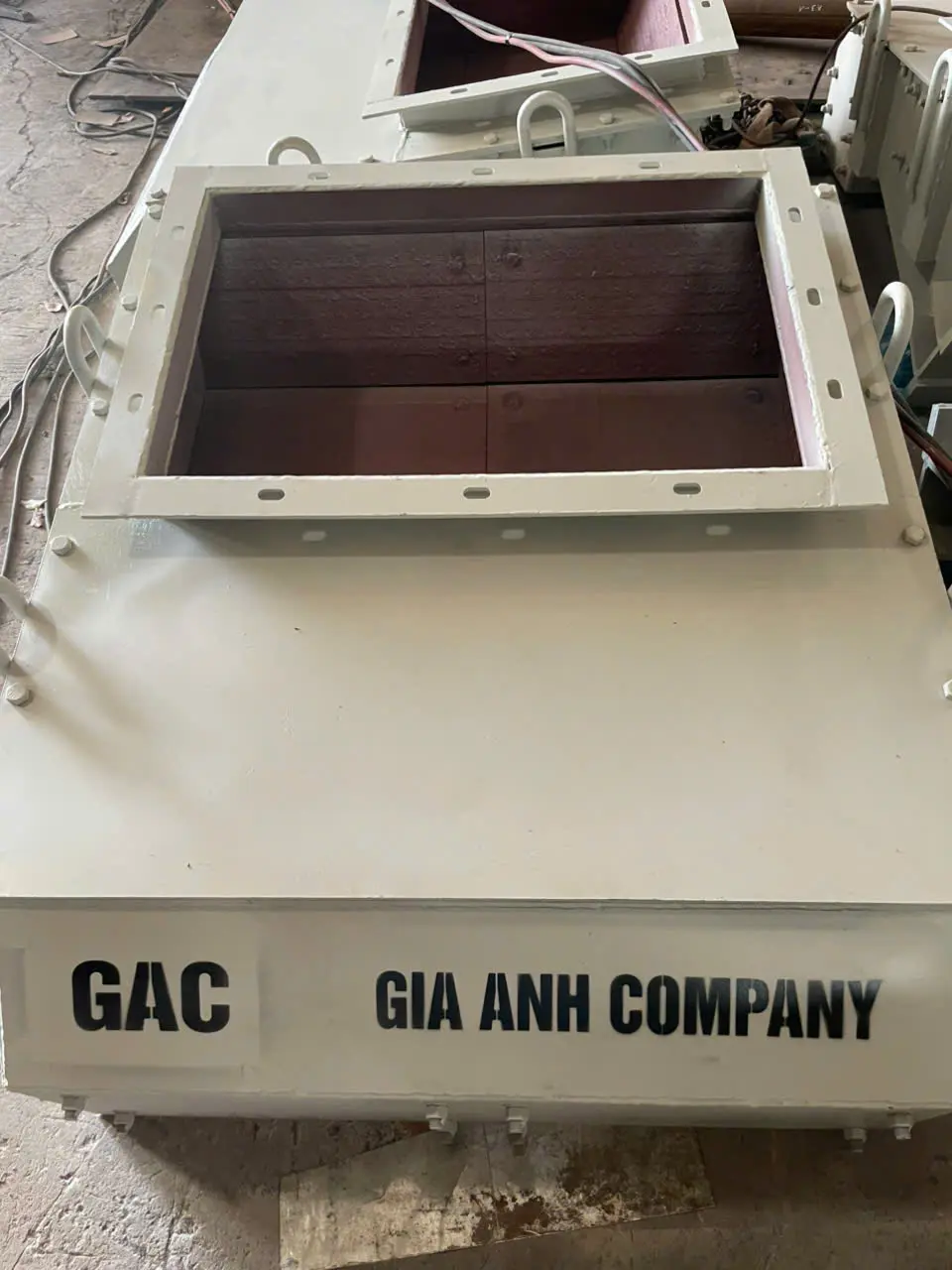
CURRENT CONDITION OF THE HORIZONTAL VIBRATING FLOOR AT SILO A
The vibrating floor showed wear and perforation, requiring welding repairs during operation
PROJECT OBJECTIVES
IMPROVE WEAR RESISTANCE
Protect the vibrating floor against continuous friction and impact from ore and coke during 24/24 operation
SEPARATE THE STRUCTURAL AND WEAR-RESISTANT LAYERS
Use the steel shell for structural support and Kalmetall plates on material-contact surfaces
FACILITATE MAINTENANCE
Use bolted lining plates for easier inspection and replacement without major work on the main structure
Construction process
Assess operating conditions
GAC identified the impact characteristics of the material, operating capacity and behavior of the material stream on the vibrating floor surface
Modify the vibrating floor structure
The new vibrating floor was designed with a combined steel shell and internal wear-resistant layer
Design the SS400 steel shell
The vibrating floor shell uses 8 mm-thick SS400 steel, providing the main load-bearing structure for the equipment
Arrange Kalmetall W100
The wear-resistant surface uses 12 mm-thick Kalmetall W100 with a 6+6 mm configuration, with a hardness of approximately 700 HV
Connect the lining plates with bolts
The Kalmetall lining plates are connected to the vibrating floor shell using a bolted system. The drawings specify M16 × 45 bolts
Arrange the lining by individual surface
The drawings show the detailed arrangement and location of Kalmetall on the six surfaces of the vibrating floor
Project results

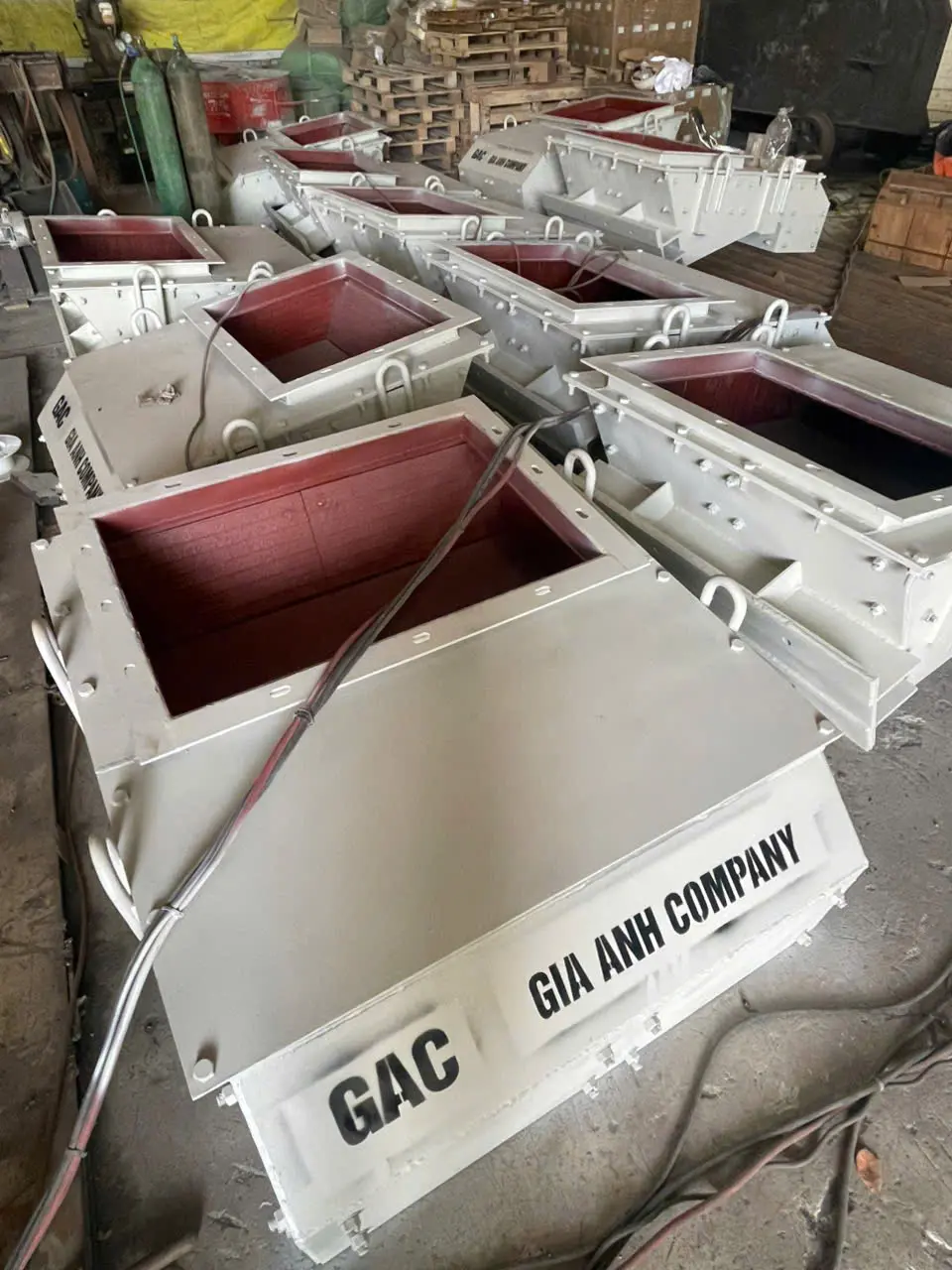
COMPLETED THE DESIGN OF 40 VIBRATING FLOOR ASSEMBLIES
The drawing dossier defined 40 horizontal vibrating floor assemblies for Silo A, using an SS400 steel structure combined with Kalmetall W100 lining plates

COMPLETED THE STRUCTURAL AND WEAR-RESISTANT CONFIGURATION
The design uses 8 mm-thick SS400 steel for the structural section and 6+6 mm Kalmetall W100 for surfaces exposed to abrasive wear

COMPLETED THE REMOVABLE LINING PLATE DESIGN
Kalmetall lining plates are arranged on the six surfaces and connected to the vibrating floor shell using bolts, supporting convenient inspection and replacement during maintenance

“We highly appreciate Gia Anh’s professional expertise and implementation capabilities. The construction process was carried out in accordance with the required procedures and technical standards, helping Kalenborn monitor and evaluate the installation quality.”
Mr. Nguyen Van An
Project Management Board - Hoa Phat Dung Quat
What Makes Gia Anh Different?

One-Stop Solutions
From inspection and material selection to fabrication and on-site installation, Gia Anh supports customers throughout the entire process, eliminating the need to work with multiple providers

GAC 3D Map Material Selection Process
More than material grade, GAC 3D Map helps select the right material type and mechanical properties for each application, ensuring performance and operational safety

Global Experience Library
As the exclusive representative of three world-leading material manufacturers, Gia Anh has access to proven global case studies, enabling us to deliver the most suitable solution for each customer's application

Request Solution Consultation
Speak directly with our experienced engineers for a free site assessment and consultation on the most suitable solution
Key Clients


More from this category

Wear protection project for dust extraction hoods and ductwork – Hoa Phat Dung Quat


